When To Visit a Vet for Summer Pet Emergencies


When To Visit a Vet for Summer Pet Emergencies
Summer in Euclid brings plenty of fun for our dogs and cats, but it also introduces unique risks that can lead to urgent veterinary situations. Whether your pet loves basking in the sun, joining you on lakeside adventures, or simply relaxing in the backyard, the warmer months can bring hazards ranging from heatstroke to insect bites. As a caring pet owner, it’s essential to know when a summer mishap is a minor issue and when it’s time to act quickly. At Lakeland Animal Clinic, located at 20690 Lakeland Blvd, Euclid, OH 44119, our team is here to support you with both same-day visits and comprehensive emergency care when your dog or cat needs it most.
In this blog, we’ll guide you through the most common summer pet emergencies, how to recognize urgent warning signs, what causes these issues, and what steps you should take at home while you get ready to seek veterinary care. We’ll also explain how our veterinary team in Euclid and surrounding communities can help your pet recover, and when it’s important to reach out for professional support. By the end, you’ll feel more confident in keeping your pet safe this season and knowing exactly when to call for help.
Recognizing Summer Pet Emergencies: What to Watch For
Summer emergencies can happen in seconds, and knowing the signs can make all the difference. Heatstroke is a major concern during warm weather; symptoms include excessive panting, drooling, red or pale gums, vomiting, diarrhea, or even collapse. If your dog or cat seems unsteady on their feet, is breathing rapidly, or is less responsive than usual, it may be a sign of overheating.
Other summer hazards, such as insect bites or stings, can cause swelling around the face, hives, sudden itching, or difficulty breathing. Pets may also suffer from allergic reactions to plants, foods, or chemicals used on lawns. If you notice your pet scratching excessively, developing red skin, or experiencing sudden swelling, these could indicate an emergency.
Water-related incidents are another risk. Near lakes, pools, or ponds, watch for symptoms like coughing, trouble breathing, or lethargy after swimming. Ingesting too much water or swallowing something harmful can also cause digestive upset, vomiting, or bloating.
Finally, outdoor activities can lead to injuries like cuts, broken nails, or limping after rough play. Severe bleeding, deep wounds, or any inability to put weight on a limb should be considered urgent. If your pet is ever struggling to breathe, unconscious, seizing, or bleeding profusely, immediate veterinary attention is required.
Why Do Summer Emergencies Happen? Understanding the Risks
Summer emergencies in pets often result from a combination of high temperatures, increased outdoor exposure, and new seasonal hazards. Dogs and cats are less efficient at cooling themselves than humans, which makes them especially vulnerable to heatstroke—especially breeds with short noses, thick coats, or underlying health issues.
Active outdoor play, walks on hot pavement, or being left in parked cars, even for a few minutes, can quickly raise a pet’s body temperature to dangerous levels. Insects like bees, wasps, and ticks are more active in summer, increasing the chances of bites, stings, or tick-borne diseases. Fertilizers, pesticides, and certain flowers may be toxic if ingested or can trigger severe allergic reactions on contact.
Water activities, while fun, present their own risks. Some pets may panic or tire quickly while swimming, leading to accidental near-drowning. Swallowing large amounts of water or accidentally ingesting chemicals from pools can also cause serious health concerns.
The increased time spent outdoors raises the risk of injuries, such as lacerations from sharp objects, sprains from energetic play, or even encounters with wildlife. Understanding these risks helps you take steps to keep your dog or cat safer during the summer months.
How Our Veterinary Team Treats Summer Emergencies
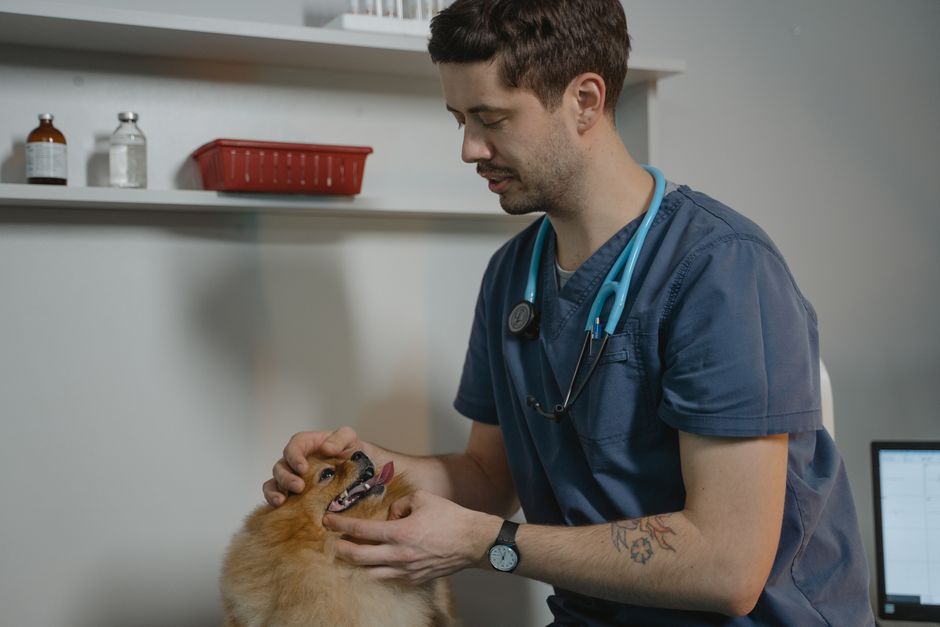
When your pet faces a summer emergency, Lakeland Animal Clinic’s veterinary professionals are ready to help with rapid assessment, advanced diagnostics, and immediate treatment. For heatstroke, our team focuses on quickly lowering your pet’s body temperature with cool fluids, oxygen therapy, and monitoring for complications like organ damage. Pets suffering from allergic reactions may receive injectable antihistamines, steroids, or even emergency measures to protect their airway if breathing is compromised.
In cases of insect stings or snake bites, we provide pain relief, antivenom if indicated, and supportive care. When dealing with injuries such as cuts or broken bones, our veterinarians will clean wounds, control bleeding, provide pain management, and, if needed, perform surgical repair.
Water-related emergencies are treated promptly to address breathing difficulties, remove water from the lungs if necessary, and monitor for secondary complications such as pneumonia. Our team uses in-house diagnostics, including digital radiology and laboratory testing, to quickly determine the extent of the problem and guide treatment.
After your pet receives urgent care, we will create a follow-up plan tailored to their recovery. This approach may involve additional rechecks, medication, or guidance for home care. For more details about how we handle critical cases, visit our page on emergency veterinary care.
Prevention and Home Care: Keeping Your Pet Safe This Summer
While not all emergencies can be avoided, there are practical steps you can take to reduce the risks for your dog or cat during the warm months. Always provide access to fresh water and shade, and avoid outdoor activities during the hottest parts of the day. Never leave your pet in a parked car, even for a short period, as temperatures can rise to life-threatening levels within minutes.
Check your yard and outdoor spaces for potential hazards, such as toxic plants, chemicals, or unsecured garbage. After walks or playtime, inspect your pet for ticks, burrs, or injuries, and clean minor scrapes with veterinarian-approved antiseptics. If your pet swims, supervise them closely and rinse off chlorine or lake water to prevent skin irritation.
Know your pet’s limits, especially if they are older, overweight, or have pre-existing health issues. Keep up with regular wellness visits to monitor for any underlying conditions that might make summer activities riskier. If your pet has a history of allergies, ask our veterinarians about preventive medications or strategies to minimize exposure.
For cuts or minor wounds, gently clean the area and apply pressure to stop bleeding. If the wound is deep, bleeding heavily, or your pet is in significant pain, seek veterinary attention promptly. In cases of suspected heatstroke, move your pet to a cool area and offer small amounts of water while you prepare to visit the clinic.
When Should You Bring Your Pet to the Vet? Clear Guidelines for Action
It’s not always easy to decide when a situation is a true emergency. As a general rule, any signs of heatstroke, difficulty breathing, severe injury, persistent vomiting or diarrhea, collapse, sudden swelling, or changes in consciousness should prompt immediate veterinary evaluation. Sudden allergic reactions—such as swelling of the face, hives, or trouble breathing—also require urgent attention.
If you notice signs like limping that do not improve within a few hours, wounds that continue to bleed, or ongoing lethargy and loss of appetite, it’s time to call for a professional assessment. For less urgent concerns, such as mild skin irritation or a minor limp, scheduling a routine wellness examination can help address the issue before it escalates.
When in doubt, it is always better to err on the side of caution. Our veterinary team at Lakeland Animal Clinic is available with extended hours for both urgent and routine care. We encourage you to contact us if you are unsure—timely intervention can make a significant difference in your pet’s outcome.
Supporting Your Pet Beyond the Emergency: Compassionate Follow-Up and Ongoing Wellness
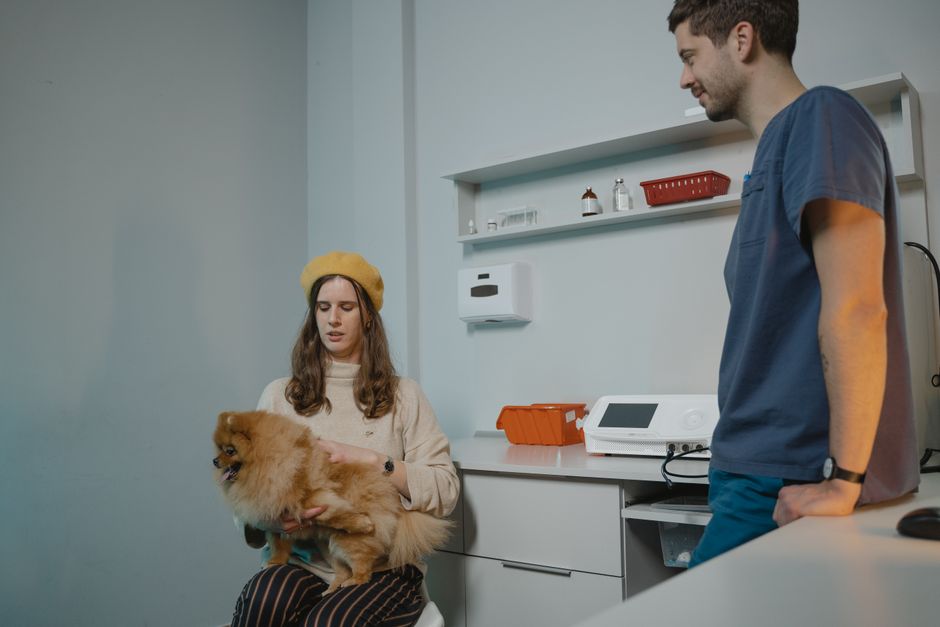
After your dog or cat receives emergency care, ongoing support is crucial for a full recovery. Our veterinarians will schedule follow-up visits to monitor healing, check for complications, and adjust treatment as needed. We are committed to keeping you informed every step of the way, offering advice and reassurance as your pet returns to their happy, healthy self.
For many pets, a summer emergency may highlight the need for updated vaccinations, parasite prevention, or regular health checks. Our comprehensive approach to wellness ensures that your pet’s unique needs are met all year long. If you have questions about preventive care or want to schedule a routine check-up after an emergency, our team is always here to help.
Your Local Partner for Summer Pet Emergencies in Euclid and Surrounding Communities
Summer should be a season of joy and adventure for your pets—not one overshadowed by worry. By staying vigilant, acting quickly when emergencies arise, and partnering with your trusted veterinary team, you can keep your dog or cat safe and comfortable all season long.
If you ever find yourself searching for a vet near me during a summer emergency, remember that Lakeland Animal Clinic at 20690 Lakeland Blvd, Euclid, OH 44119 is here to help. Schedule an appointment or call us at (216) 731-5536 for prompt, compassionate care tailored to your pet’s needs. You can also learn more about our services, including emergency veterinary care and wellness examinations, on our website.
Let’s work together to ensure your pets enjoy a safe, healthy summer in Euclid and the surrounding communities.
This blog is for informational purposes only and does not replace professional veterinary medical advice. If your pet is experiencing an emergency, contact your veterinarian or an emergency clinic immediately.