Dental Health for Pets: Preventing Pain and Problems This Spring


Dental Health for Pets: Preventing Pain and Problems This Spring
As spring arrives in Euclid and the Greater Cleveland area, many pet owners find themselves looking for ways to help their dogs and cats feel their best. One area that often gets overlooked is dental health. Just like people, pets can suffer from painful dental problems that not only affect their mouths but can also impact their overall well-being. At Lakeland Animal Clinic, located at 20690 Lakeland Blvd, Euclid, OH 44119, our team of veterinarians is passionate about helping your four-legged friends enjoy a healthy, pain-free smile all year long. In this blog, we will explore the warning signs of dental disease in cats and dogs, explain what happens during a professional dental cleaning, outline how routine care can prevent dental problems, and help you understand when it is time to book a checkup at your local vet. If you are wondering how to keep your pet’s teeth healthy this spring, you are in the right place.
Recognizing Dental Problems in Pets: What to Watch For
Dental disease is one of the most common health issues we see in both dogs and cats. Unfortunately, pets cannot tell us when their mouths hurt, so it is important for pet owners to recognize the subtle signs that something might be wrong. Key symptoms of dental trouble include persistent bad breath, which is often one of the earliest indicators. You may also notice that your pet is drooling more than usual or seems to have difficulty chewing dry food or treats. Some dogs and cats start dropping food, chewing on one side of the mouth, or avoiding hard toys. Additionally, red or swollen gums, visible tartar buildup (yellow or brown discoloration on the teeth), and pawing at the mouth can all signal dental discomfort.
In more severe cases, you might observe bleeding from the gums, reluctance to eat, or even swelling along the jawline. Behavioral changes, such as irritability or decreased interest in play, sometimes point to chronic pain caused by dental disease. If your pet’s breath suddenly worsens or you see any of these signs, it is time to take dental health seriously. Early identification makes treatment much easier and can spare your pet unnecessary suffering.
Why Dental Disease Happens: Understanding the Causes
Dental disease in pets typically develops gradually over time and is largely preventable with routine care. The main culprit is plaque: a sticky film made up of bacteria, saliva, and food particles that forms on the teeth after eating. If plaque is not removed regularly, it hardens into tartar, which irritates the gums and creates an environment where bacteria thrive. This leads to gingivitis, characterized by gum inflammation, and if left untreated, can progress to periodontitis. Periodontitis causes the gums to recede, teeth to loosen, and can even result in tooth loss.
Cats and dogs both face these risks, though small breed dogs and certain breeds of cats are especially prone to dental issues. Factors like age, diet, genetics, and the presence of crowding or misaligned teeth can all increase the likelihood of dental disease. Chewing habits also play a role; pets who do not regularly chew on safe toys or dental treats may accumulate more plaque. Additionally, underlying medical conditions such as diabetes or kidney disease can contribute to oral health problems.
Spring is an ideal time to address dental health, as pets may be coming out of winter with a buildup of tartar from holiday treats or changes in routine. Regular checkups and at-home care are essential for breaking this cycle and protecting your pet’s mouth for the long haul.
Professional Dental Cleanings: What to Expect at Lakeland Animal Clinic
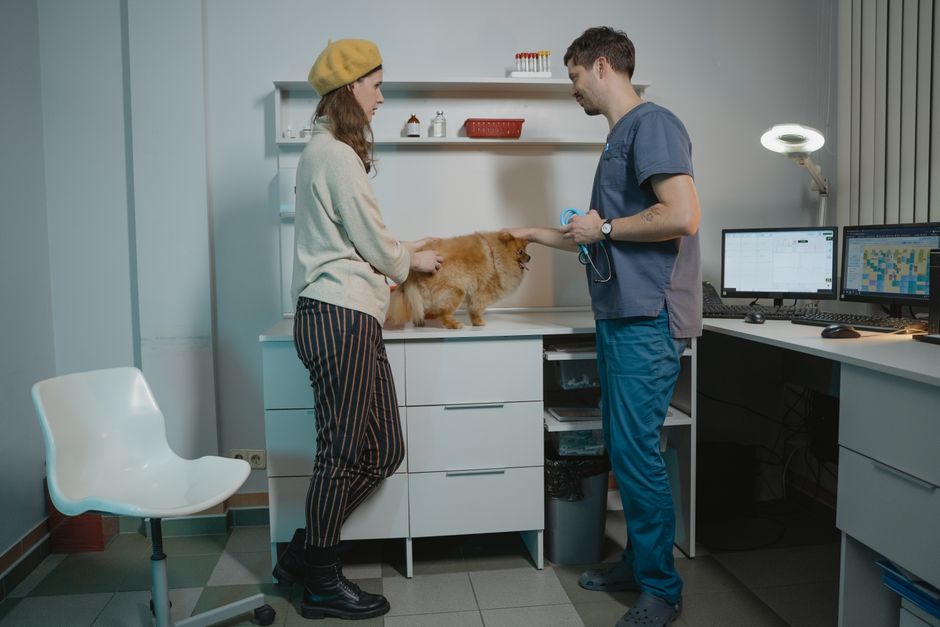
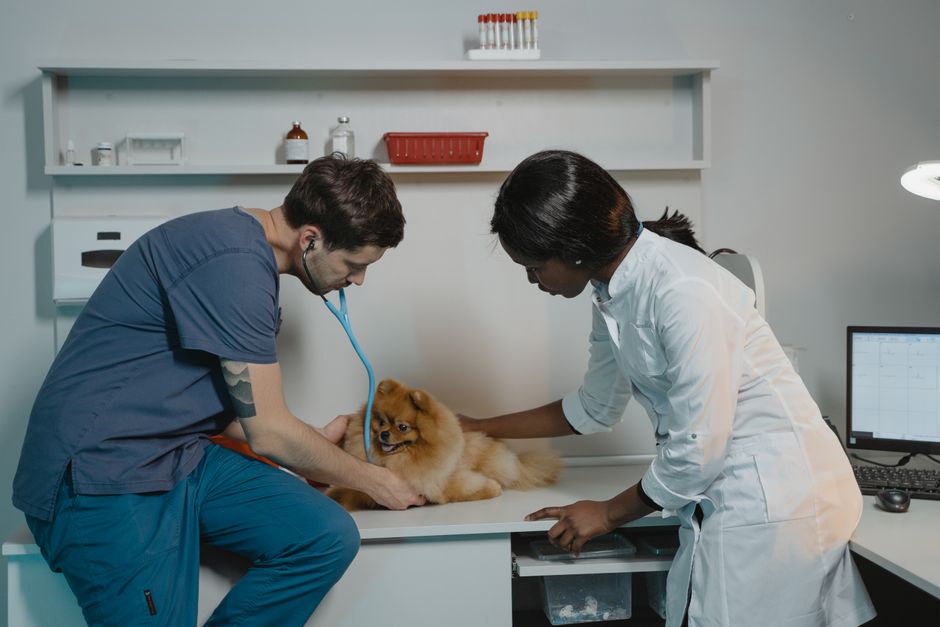
When you schedule a dental checkup for your pet at Lakeland Animal Clinic, our veterinary team will begin with a thorough oral examination. This allows us to assess the condition of your pet’s teeth and gums, identify any problem areas, and discuss your concerns. If a professional cleaning is recommended, we will explain each step so you know what to expect.
A professional dental cleaning for pets is performed under general anesthesia to ensure your dog or cat is comfortable and pain-free throughout the procedure. Our veterinarians will carefully remove plaque and tartar both above and below the gumline using specialized equipment. This deep cleaning helps prevent and treat gum disease, which cannot be fully addressed with brushing alone. We may also recommend dental radiographs to check for hidden problems beneath the surface, such as tooth root abscesses or bone loss.
After scaling away the tartar, the teeth are polished to smooth the enamel and make it harder for plaque to re-accumulate. The veterinary team will inspect for loose, cracked, or infected teeth and discuss whether any extractions or further treatments are needed. At Lakeland Animal Clinic, we provide pet tooth extractions and advanced dental care options when necessary to restore your pet’s comfort. Most pets recover quickly from dental procedures and often experience a noticeable improvement in breath and energy levels.
Preventing Dental Disease: Home Care and Clinic Support
While professional cleanings are vital, maintaining your pet’s dental health is a team effort between veterinary care and consistent home routines. The most effective way to prevent plaque buildup is by brushing your pet’s teeth daily, using a pet-safe toothbrush and toothpaste. Even if you cannot brush every day, doing so several times a week can make a significant difference. There are also dental chews and diets specifically designed to help reduce plaque and tartar.
Regular at-home checks are helpful; gently lift your pet’s lips and inspect the teeth and gums for any signs of redness, swelling, or tartar. Early intervention is key if you notice anything unusual. Scheduling routine dental exams at Lakeland Animal Clinic gives our veterinarians the opportunity to catch problems early and offer personalized advice. Our team is happy to demonstrate brushing techniques and recommend products that are safe and effective for your pet.
We also offer dental polishing and dental scaling to keep your pet’s teeth smooth and clean between deep cleanings. Prevention is always easier and more affordable than treating advanced dental disease, so do not wait until your pet shows signs of discomfort.
When to Seek Veterinary Care for Your Pet’s Dental Issues
Pet owners often wonder when it is time to call the veterinarian for dental health concerns. Any time you notice persistent bad breath, difficulty eating, drooling, bleeding gums, or visible tartar, it is important to schedule an appointment. Rapid changes, such as swelling around the face, sudden refusal to eat, or obvious pain, warrant prompt attention, as these may signal infections that can spread quickly.
Even if your pet seems healthy, annual dental exams are recommended for all adult dogs and cats. Senior pets, small breeds, and pets with a history of dental problems may need more frequent checkups. Remember, early detection is the key to preventing painful complications and more extensive (and expensive) treatments down the road.
If you are searching for a "vet near me" who can provide comprehensive dental care for your pet, our team at Lakeland Animal Clinic is here to help. We serve Euclid and the surrounding communities with expertise, compassion, and a full range of dental services tailored to your pet’s unique needs.
Trust Lakeland Animal Clinic for Your Pet’s Dental Health This Spring
Caring for your pet’s teeth is one of the most important steps you can take to ensure their long-term health and happiness. By paying attention to subtle signs of dental trouble, prioritizing regular cleanings, and keeping up with at-home care, you can help your dog or cat avoid unnecessary pain and enjoy a fresh, healthy mouth. At Lakeland Animal Clinic in Euclid, OH, our veterinary professionals are committed to supporting you every step of the way.
Spring is the perfect time to schedule a dental checkup for your pet. If you have questions or are ready to book an appointment, please call us at (216) 731-5536. For more details about the range of dental services we provide, including pet dental cleanings and advanced dental care and surgery, visit our website. Let us help your furry friend greet the new season with a healthy, pain-free smile.
This blog is intended for informational purposes only. For specific concerns or emergencies, always consult your veterinarian directly.