How to Keep Senior Pets Comfortable in Cold Weather


How to Keep Senior Pets Comfortable in Cold Weather
Winter in Euclid brings a biting chill that many of us feel from head to toe, but for senior dogs and cats, colder months can be especially challenging. If your older pet is moving a bit more slowly or seems less enthusiastic about their usual walks or playtime, you are not alone in your concern. At Lakeland Animal Clinic, our team of veterinarians understands how the winter weather can affect aging pets in Euclid and surrounding communities. We are here to help you recognize the signs of cold-weather discomfort in your senior companion, explain why these issues occur, and share proven strategies for keeping your pet cozy and healthy all season long.
In this blog, you will learn how to spot warning signs of winter-related discomfort in older pets, discover the underlying reasons these problems develop, explore both professional treatments and at-home care tips, and understand when it is time to reach out for veterinary support. You will also see how our compassionate approach at Lakeland Animal Clinic, right here on Lakeland Blvd, gives senior pets the specialized care they deserve. If you are looking for a trusted partner in your pet’s golden years, our veterinary professionals are committed to keeping your best friend comfortable—no matter how cold it gets outside.
Recognizing When Cold Weather Affects Your Senior Pet
As pets age, their ability to regulate body temperature and cope with the cold diminishes. In winter, you may notice that your senior dog hesitates before heading out or your older cat spends more time curled up in warm corners. Key symptoms of cold-weather discomfort in senior pets include increased stiffness, limping or reluctance to move after resting, shivering or trembling, seeking out heat sources, and vocalizing more than usual when being touched or moved. Other signs to watch for are behavioral changes such as irritability or withdrawal, changes in sleep patterns, and accidents indoors if it becomes too difficult or uncomfortable to go outside.
If your pet has existing medical conditions like arthritis or heart disease, winter’s chill can worsen these issues. You might see an uptick in joint pain, difficulty climbing stairs, or a general decline in energy levels. Pay close attention to subtle shifts in your pet’s routine, including eating and drinking habits, as these can signal that the cold is affecting their overall wellbeing.
Why Senior Pets Struggle More in Winter
The combination of aging and cold weather creates a unique set of challenges for older animals. As pets grow older, their metabolism slows, and they lose muscle mass and body fat, making it harder to maintain body heat. Joint cartilage also wears down with age, and cold temperatures can cause muscles to tighten and joints to stiffen further, which is especially hard on pets with arthritis or mobility issues.
Additionally, senior pets often experience a decline in immune function, making them more susceptible to respiratory infections and other illnesses that are common during winter months. Heart and kidney problems may also be aggravated by exposure to cold, as the body has to work harder to keep vital organs functioning properly. For many older pets, even short periods outside can lead to discomfort or, in rare cases, more serious health risks like hypothermia.
Veterinary Treatments and Professional Support for Winter Comfort
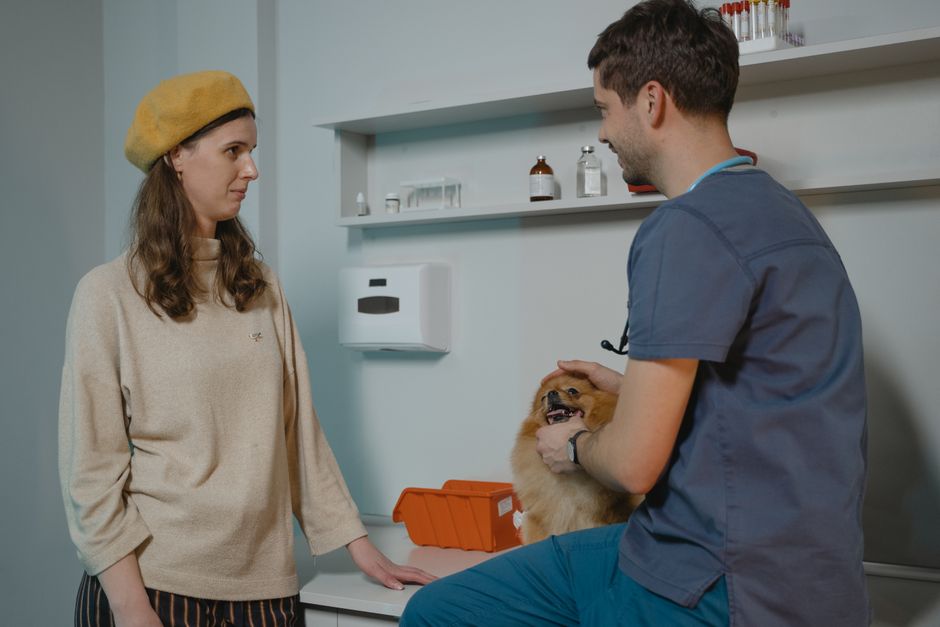
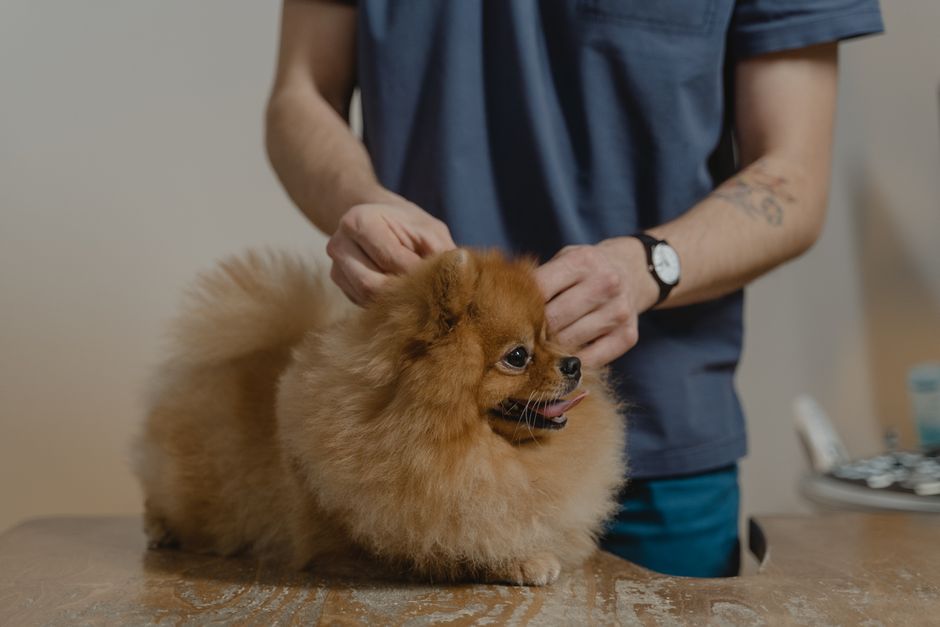
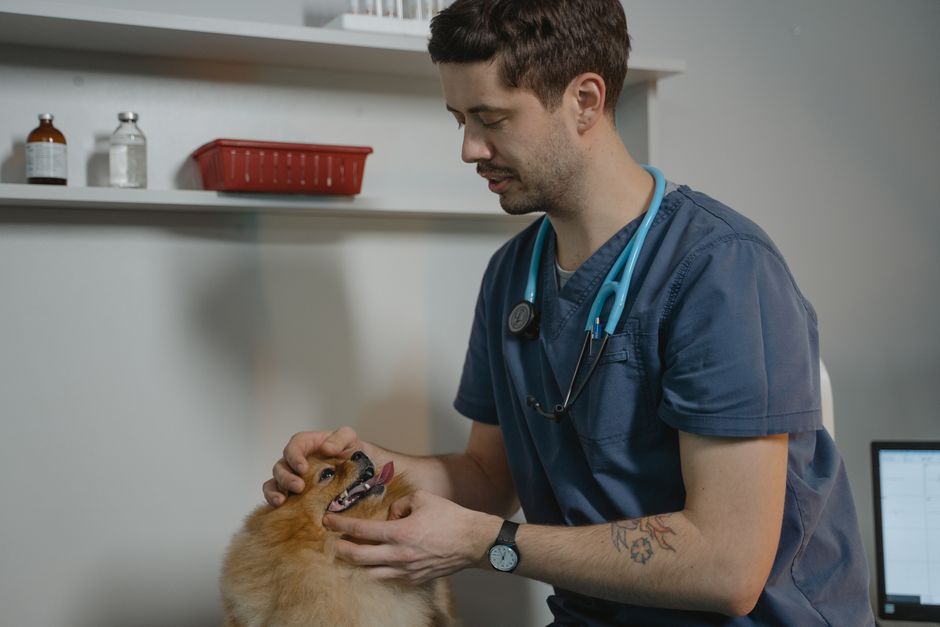
At Lakeland Animal Clinic, our approach to keeping senior pets comfortable in winter begins with a thorough assessment of your pet’s overall health and mobility. Regular pet examinations are essential for identifying early signs of joint pain, underlying medical conditions, or weight changes that might affect your pet’s ability to stay warm. During these visits, our veterinary professionals may recommend diagnostic testing to check for age-related concerns such as osteoarthritis, organ function changes, or chronic pain.
Treatment options for winter-related discomfort in senior pets often involve a combination of therapies. For pets experiencing joint pain, our pain management services may include medications prescribed by our veterinarians, as well as non-pharmaceutical options like class 4 laser therapy, which can reduce inflammation and promote healing. For advanced cases or pets with multiple health issues, our clinic also provides palliative care designed to maximize comfort and quality of life, especially for those facing serious illness in their golden years.
Alongside medical interventions, our team will guide you in creating a tailored wellness plan that may include dietary adjustments, supplements for joint health, and recommendations for safe exercise routines during the colder months. Many families find reassurance in knowing that our veterinary team is always available for follow-up consultations, helping you monitor your senior pet’s comfort as the season progresses.
Making Home a Haven: Practical Steps for Winter Comfort
While veterinary care is the foundation of senior pet wellness, what you do at home can make a tremendous difference in your pet’s comfort during winter. Ensuring your pet has a warm, draft-free space to rest is crucial. Orthopedic or heated pet beds placed away from cold windows and doors provide extra support for arthritic joints and help maintain body temperature. If your pet enjoys spending time outdoors, limit exposure during the coldest parts of the day and always dry them thoroughly after walks.
Nutrition plays a vital role as well. Older pets often benefit from a diet tailored to their changing metabolism and joint health. Feeding schedules may need small adjustments to account for decreased activity in winter, and your veterinarian can help you select the best food and supplements for your pet’s needs.
Consistent, gentle exercise helps keep senior pets limber and supports circulation. Short, frequent walks or indoor play sessions can be less taxing than longer outings in the cold. For cats and less active dogs, interactive toys or gentle stretching can stimulate both body and mind while keeping them warm indoors.
Grooming is another important aspect of winter care. Regular brushing helps maintain a healthy coat, which acts as a natural insulator. However, avoid shaving or trimming your pet’s fur too short during the colder months. Check paws after outdoor excursions for signs of ice, salt, or irritation; cleaning and moisturizing paw pads can prevent chapping and pain.
When to Seek Veterinary Help for Your Senior Pet
Even with diligent home care, some senior pets will need extra support during winter. It is important to schedule a veterinary visit if you notice persistent symptoms such as ongoing limping, severe lethargy, refusal to eat or drink, difficulty breathing, or confusion and disorientation. Sudden changes in your pet’s behavior or mobility should always be taken seriously, as they may indicate a more urgent medical problem.
If your pet has a history of chronic disease, regular checkups become even more critical during the winter months. Our veterinarians at Lakeland Animal Clinic can recommend the right monitoring schedule for pets with arthritis, heart conditions, kidney disease, or other age-related issues. In some cases, advanced therapies or medication adjustments may be needed to keep your pet comfortable and healthy.
Remember, prompt intervention can mean the difference between a minor setback and a major health issue. If you are ever unsure about your pet’s symptoms, our veterinary team is always available for guidance and support.
How Lakeland Animal Clinic Supports Senior Pets in Euclid’s Winter
At Lakeland Animal Clinic, we believe that every senior pet deserves the best possible quality of life, no matter the season. Our team of veterinarians is dedicated to providing comprehensive care that addresses each pet’s unique needs, whether your companion is facing mobility challenges, chronic pain, or simply requires extra monitoring as they age. From senior pet care and pain management to palliative support and ongoing wellness exams, we are here to help your furry family member thrive in winter and beyond.
If you are searching for a "vet near me" who truly understands the needs of older pets, our clinic offers both the expertise and the compassion you are looking for. We encourage you to schedule an appointment with our veterinary professionals to discuss your senior pet’s winter comfort plan. Whether your pet needs a routine checkup, advanced pain relief, or a personalized home care strategy, we are ready to help.
To book your visit or learn more about our senior pet services, call us at (216) 731-5536 or stop by our welcoming clinic at 20690 Lakeland Blvd, Euclid, OH 44119. Together, we can make this winter a season of comfort and joy for your beloved companion.
Medical disclaimer: This blog is intended for educational purposes only and does not replace professional veterinary advice. If your pet is experiencing sudden or severe symptoms, please contact your veterinarian immediately.