Why Regular Visits to an Animal Clinic Matter for Your Pet

Why Regular Visits to an Animal Clinic Matter for Your Pet
As a devoted pet owner, you want your dog or cat to enjoy a long, healthy, and happy life by your side. But even when your four-legged family member seems perfectly fine, routine checkups at a trusted animal clinic play a vital role in their ongoing well-being. At Lakeland Animal Clinic, located at 20690 Lakeland Blvd, Euclid, OH 44119, our compassionate veterinary team is dedicated to helping pets and their families in Euclid and surrounding communities stay ahead of preventable diseases, manage chronic conditions, and catch early warning signs before they become serious. In this article, we will explore why regular visits to an animal clinic are so important, how wellness exams benefit your pet, the key role of early disease detection, and practical advice for choosing the right care for your beloved companion. Whether you’re new to the area or simply want to make sure your pet gets the best preventive care, this guide will help you understand what comprehensive veterinary care truly means.
Recognizing When Your Pet Needs an Animal Clinic: Signs and Symptoms
Many pet owners wonder how often their dogs or cats should visit the animal clinic, especially if their pets appear healthy. The truth is, animals are experts at hiding discomfort or illness; subtle changes can easily go unnoticed at home. Key signs that may indicate your pet needs attention from a veterinary professional include reduced appetite, changes in drinking habits, sudden weight loss or gain, lethargy, unusual lumps or bumps, persistent coughing or sneezing, vomiting, diarrhea, bad breath, or limping. Behavioral changes such as hiding, increased vocalization, or irritability can also point to underlying issues.
However, it’s important to remember that many health conditions develop quietly, without obvious symptoms. That’s why routine visits to an animal clinic are essential for both visible and hidden health concerns. During a comprehensive pet exam, veterinarians use their training and diagnostic tools to detect early signs of illness, dental disease, or underlying problems that you might not notice until they progress. If you’re interested in learning more about what happens during a wellness check, our wellness examination page describes what to expect and why these visits matter for your dog or cat.
The Importance of Preventive Care: Why Regular Animal Clinic Visits Make a Difference
Preventive care is the foundation of lifelong health for dogs and cats. Visiting an animal clinic for annual or semi-annual checkups allows veterinarians to track your pet’s health over time, create personalized care plans, and recommend timely vaccinations and parasite prevention. These regular appointments are also an opportunity to discuss nutrition, exercise routines, behavior changes, and any concerns you may have about your pet’s daily life.
At Lakeland Animal Clinic, we believe that prevention is always better than cure. By maintaining a schedule of routine wellness exams, you can help your pet avoid common issues like dental disease, obesity, heartworm, and certain cancers. Regular visits also support early detection of chronic diseases such as kidney disease, thyroid disorders, or diabetes, which may not show noticeable symptoms until significant damage has occurred. When problems are discovered early, treatment is more effective, less invasive, and often less costly.
Understanding the Causes: Why Do Pets Need Routine Checkups?
Just like people, dogs and cats age, face environmental risks, and experience lifestyle changes that can impact their health. Factors such as breed, age, activity level, and pre-existing conditions all influence your pet’s healthcare needs. For example, puppies and kittens require more frequent visits for vaccinations and developmental monitoring, while senior pets benefit from additional screenings and supportive care as they age.
Environmental factors also play a significant role. Pets in Euclid and the Greater Cleveland area may face seasonal hazards, regional parasites, and local allergens that affect their health. Regular animal clinic visits allow your veterinary team to adjust care recommendations based on what’s happening in your neighborhood, whether it’s an uptick in ticks during the spring or new food recalls that could impact your pet’s diet. For the latest updates on pet food safety, you can always check pet food recalls and alerts from the AVMA.
What Happens During a Visit to the Animal Clinic?
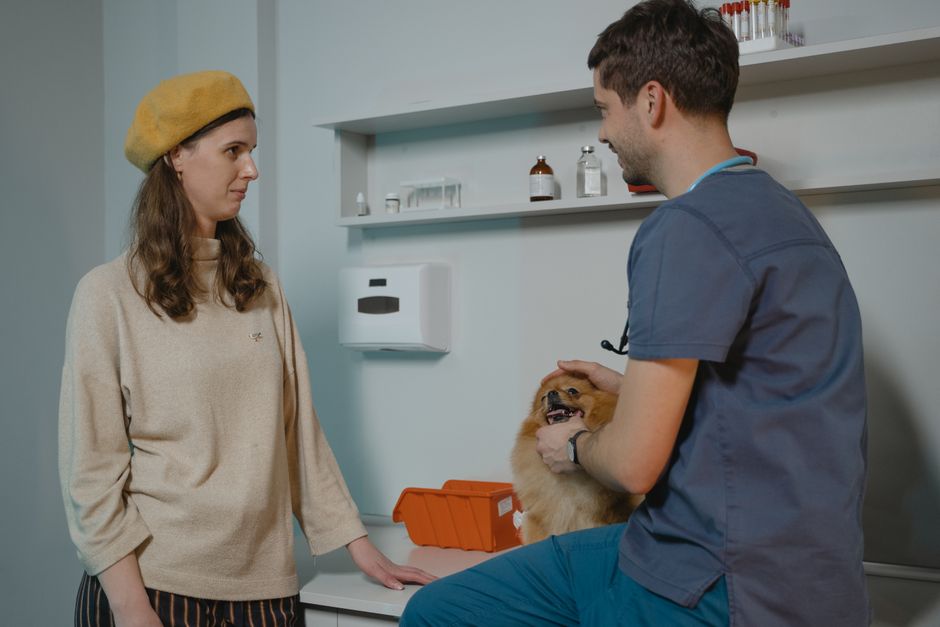
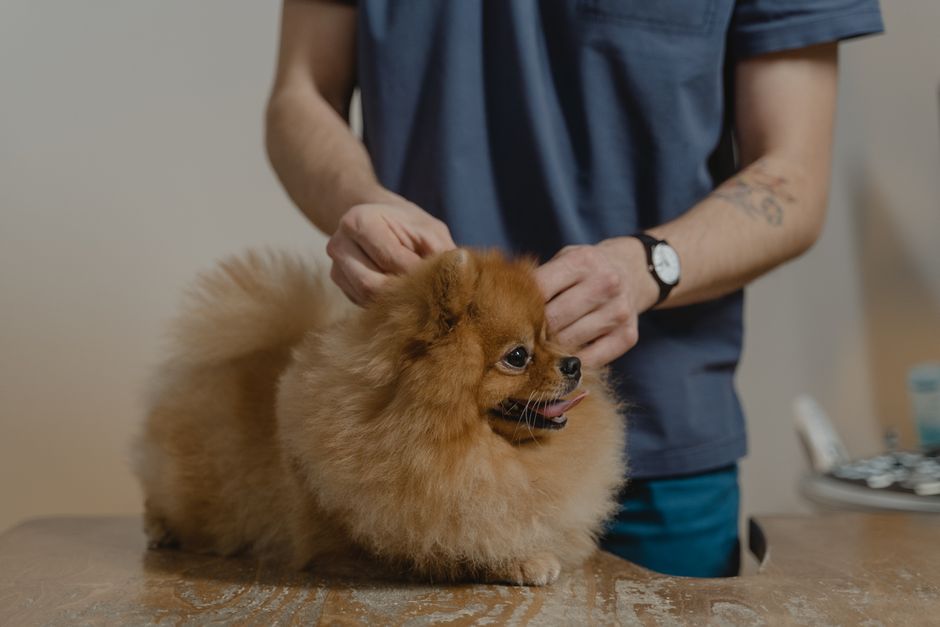
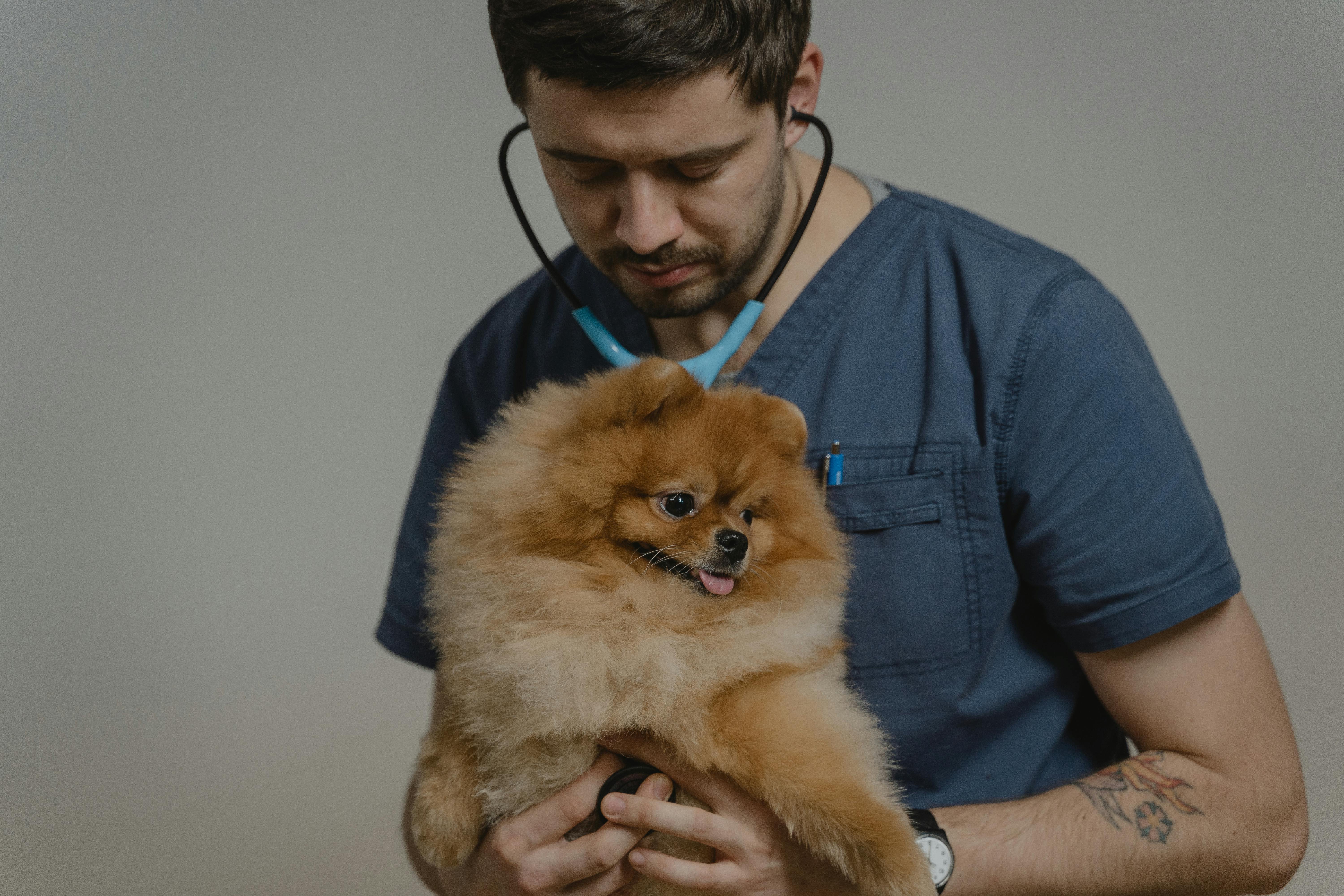
When you schedule an appointment for your dog or cat at our animal clinic, you can expect a thorough and gentle approach tailored to your pet’s needs. Each visit typically begins with a detailed history, where we ask about your pet’s behavior, appetite, and daily routines. This is followed by a nose-to-tail physical examination; our veterinarians check your pet’s eyes, ears, mouth, heart, lungs, skin, and joints for any signs of concern.
If needed, we may recommend additional diagnostic tests such as bloodwork, urinalysis, or digital imaging to gain a deeper understanding of your pet’s health. Our clinic offers a wide range of diagnostic services, including pet diagnostic laboratory services, to ensure accurate and timely results. For pets showing dental issues, we also provide dental care and surgery to address problems like tartar buildup, gum disease, or broken teeth.
Depending on your pet’s age and health status, we may update their vaccinations, discuss parasite prevention, and provide guidance on nutrition or weight management. Our team also takes time to answer your questions and address any concerns, creating a supportive partnership that puts your pet’s well-being first.
Special Considerations for Senior Pets
As your pet ages, their healthcare needs change. Senior dogs and cats are more susceptible to arthritis, dental disease, organ decline, and certain cancers. At Lakeland Animal Clinic, we recommend more frequent wellness checks for older pets, along with specific screenings to catch age-related issues early. You can find more information about our approach to senior pet care and how we help pets enjoy their golden years with comfort and dignity.
Preventive Steps You Can Take at Home Between Animal Clinic Visits
While regular animal clinic visits are essential, your daily care at home also plays a crucial role in your pet’s long-term health. Simple steps like providing balanced nutrition, maintaining a healthy weight, and ensuring fresh water is always available can make a significant difference. Regular exercise tailored to your pet’s age and breed helps keep joints limber and minds engaged. At home, brushing your pet’s teeth, keeping up with recommended parasite preventives, and observing for any changes in behavior or appearance are all important habits.
Additionally, staying informed about regional health risks and seasonal hazards in Euclid supports your pet’s safety. During the colder months, be mindful of ice-melting chemicals that can irritate paws, while in spring and summer, check your pet for ticks after walks in local parks. If you notice anything out of the ordinary, don’t hesitate to reach out to your veterinary team for advice.
When to Schedule an Appointment at the Animal Clinic
If you notice persistent symptoms such as vomiting, diarrhea, coughing, limping, difficulty breathing, or sudden changes in behavior, it’s important to consult with your veterinarian promptly. Acute conditions, injuries, or signs of pain should never be ignored; quick intervention can make a big difference in treatment outcomes.
Even if your pet appears healthy, annual or twice-yearly wellness exams are recommended for most dogs and cats. For puppies, kittens, and senior pets, more frequent visits may be advised. The team at Lakeland Animal Clinic is here to guide you on the best schedule for your pet’s unique needs and answer any questions you have about their health or well-being.
Choosing the Right Animal Clinic for Your Pet in Euclid
Selecting a veterinary clinic is an important decision for every pet owner. Look for an animal clinic that offers comprehensive services, modern diagnostic tools, and a compassionate approach to care. The right clinic should provide clear communication, respect your concerns, and treat your dog or cat as a valued member of the family.
At Lakeland Animal Clinic, our experienced veterinarians and support staff are committed to building lasting relationships with pets and their owners. We offer a full range of services, from preventive care and diagnostics to surgery, dental care, and senior support. Our convenient location at 20690 Lakeland Blvd, Euclid, OH 44119 makes us easily accessible for families in Euclid and neighboring communities. We understand that your time is valuable, so we also offer same-day visits and compassionate follow-up to ensure your pet receives timely, personalized attention.
Your Partner in Pet Wellness: Lakeland Animal Clinic Is Here for You
Regular visits to an animal clinic are more than just a routine—they are an essential investment in your pet’s lifelong health and happiness. By partnering with a trusted veterinary team, you can catch health issues early, keep vaccinations up to date, and get expert guidance tailored to your dog or cat’s unique needs. Whether your pet is a playful puppy, a curious kitten, or a cherished senior, proactive care is the best way to ensure many more joyful years together.
If you are searching for a reliable vet near me or want to learn more about how regular checkups can benefit your pet, Lakeland Animal Clinic is here to help. We invite you to schedule an appointment by calling (216) 731-5536 or visiting us at our welcoming Euclid location. Our team of veterinarians is proud to serve pets and families throughout the Greater Cleveland area, providing exceptional care with a personal touch. Explore our services, including wellness examinations, dental care and surgery, and senior pet care. Your pet’s health is our highest priority—let us be your trusted partner in their lifelong wellness.
This article is for informational purposes only and does not replace professional veterinary advice. If you have concerns about your pet’s health, please contact your veterinarian directly.