How an Animal Clinic Handles Pet Allergies in Fall

How an Animal Clinic Handles Pet Allergies in Fall
As fall arrives in Euclid, many pet owners notice their dogs and cats scratching more, sneezing, or developing watery eyes. These uncomfortable symptoms can quickly make you wonder if your pet is suffering from seasonal allergies. At Lakeland Animal Clinic, our team understands how frustrating it can be to watch your companion struggle with itchiness and discomfort. Our animal clinic combines compassionate care with advanced diagnostics to help pets in Euclid and surrounding communities find relief throughout the autumn months. In this blog, we will explore the most common signs of fall allergies in pets, discuss why these allergies occur, and explain how our animal clinic supports your dog or cat—from symptom management to preventive strategies. You will also discover practical home care tips and learn when it is time to schedule an appointment with our dedicated veterinary professionals at 20690 Lakeland Blvd, Euclid, OH 44119.
Recognizing the Signs: How to Spot Allergies in Your Pet
When fall allergens begin to circulate, your pet may show a range of symptoms that are easy to mistake for other issues. Key signs of allergies in dogs include frequent scratching, licking or chewing at their paws, redness on the belly, and recurrent ear infections. Cats may develop itchy skin, hair loss from over-grooming, or watery, irritated eyes. Sneezing, reverse sneezing, and nasal discharge are also common in both species.
Some pets display changes in behavior such as restlessness or irritability due to constant discomfort. You may notice your dog scooting across the carpet, or your cat avoiding touch because of sensitive skin. Hot spots, which are localized areas of inflamed, infected skin, can develop rapidly when itching is severe. Persistent symptoms like these, especially if they return each fall, are strong indicators that your pet may be reacting to seasonal allergens rather than a one-time irritant.
Understanding Fall Allergies: Why Do Pets Get Them?
Just like humans, dogs and cats experience allergic reactions when their immune systems overreact to harmless substances in the environment. In Euclid, fall is a prime season for airborne allergens such as weed pollens (including ragweed), mold spores from decaying leaves, and dust mites that thrive indoors as windows close for the season.
Pets can also come into contact with allergens through their skin and paws as they walk across lawns, parks, or leaf piles. Unlike food allergies, which are triggered by certain ingredients in your pet’s diet, environmental allergies tend to follow a seasonal pattern. Genetics play a role as well; certain breeds like terriers, retrievers, and some short-haired cats are more likely to develop atopic dermatitis, the most common form of environmental allergy in pets.
Warm, wet autumn days can make mold and pollen counts spike, while falling temperatures lead to more time spent indoors, increasing exposure to dust and indoor allergens. All of these factors combine to make fall a challenging time for many pets in Northeast Ohio.
How an Animal Clinic Helps: Diagnosing and Treating Pet Allergies
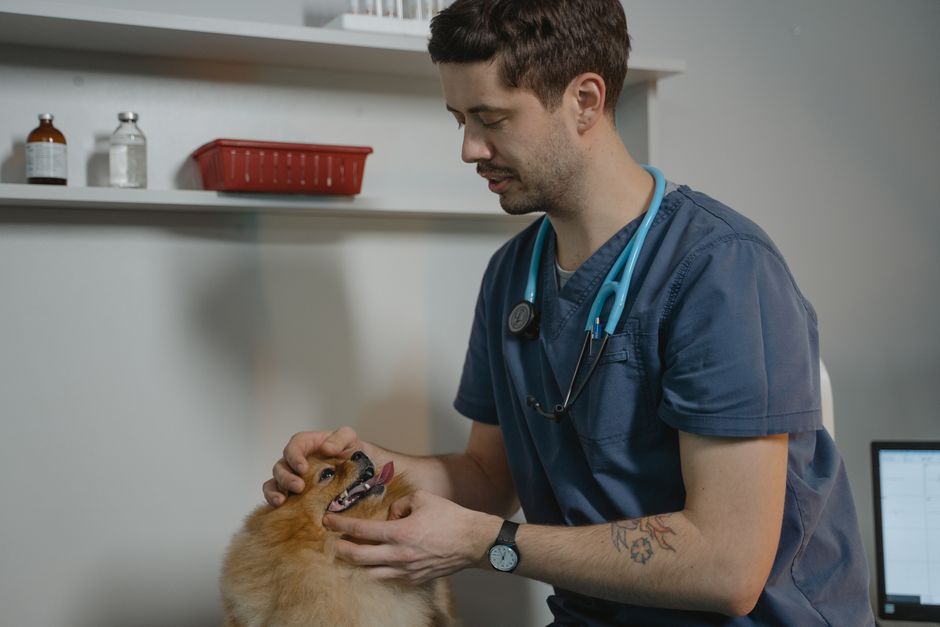
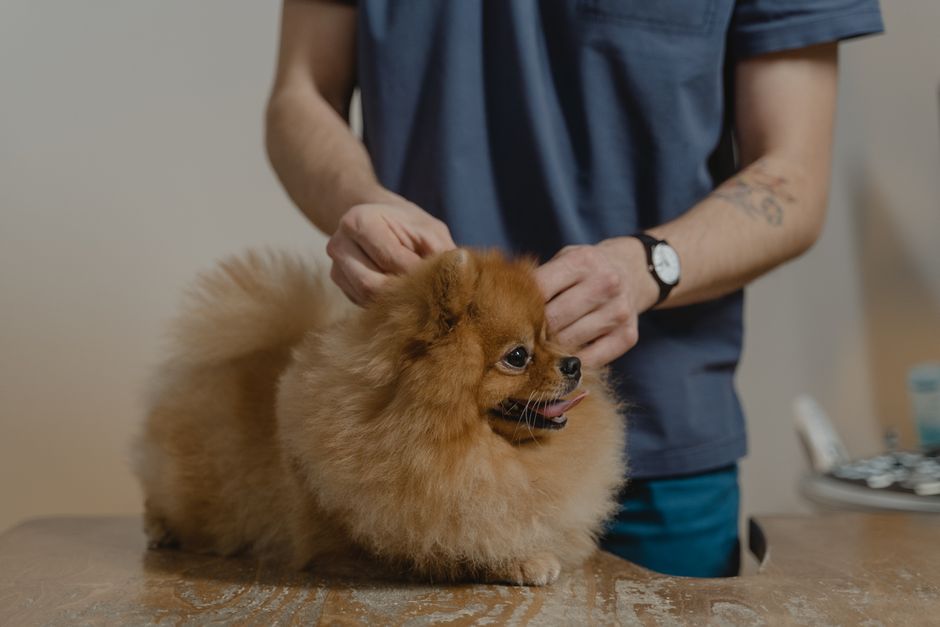
When you bring your pet to our animal clinic for allergy symptoms, our veterinary team starts with a detailed medical history and a thorough physical examination. We ask about your pet’s environment, diet, and recent activities to help pinpoint possible triggers. Skin tests, blood work, and in some cases, allergy testing services are available to identify specific allergens and rule out other causes of itching, such as parasites or infections.
Treatment for pet allergies is tailored to your individual dog or cat. Approaches often include medicated shampoos and topical therapies to soothe irritated skin, oral or injectable medications to control itching and inflammation, and prescription diets for pets with overlapping food sensitivities. For severe or chronic cases, our veterinarians may recommend immunotherapy, which is a series of customized allergy shots or oral drops designed to help your pet build tolerance to the offending substances.
Environmental management is also a crucial part of your pet’s allergy plan. This might involve regular bathing to wash off allergens, cleaning bedding frequently, and using air purifiers or HEPA filters in your home. Our animal clinic team provides clear guidance for each step, ensuring your pet’s treatment plan is both effective and easy to follow.
Home Care and Prevention Strategies for Fall Allergies
While professional veterinary care is essential for managing pet allergies, there are several steps you can take at home to minimize your pet’s exposure to fall allergens. Wiping your dog’s paws and coat with a damp cloth after walks, especially during peak pollen times, can help reduce the amount of allergens brought indoors. Regular vacuuming with a HEPA-filter vacuum cleaner and washing your pet’s bedding weekly in hot water also make a significant difference.
Bathing your pet with a gentle, hypoallergenic shampoo as recommended by your veterinarian can relieve itching and keep the skin barrier healthy. Monitoring humidity levels in your home is important; keeping indoor air on the drier side may help reduce mold and dust mite populations. Avoid walking your dog in tall grass or leaf piles, as these areas often harbor higher concentrations of pollen and mold spores.
If your cat is an indoor-outdoor explorer, consider limiting their outdoor time during high pollen days. Keeping windows closed during windy weather can further reduce the entry of allergens into your home. Our veterinary team is always happy to provide personalized advice for your unique living situation and your pet’s specific needs.
When to Visit the Animal Clinic: Knowing When Allergies Need Veterinary Attention
While mild seasonal allergies can sometimes be managed with home care, it is important to know when professional help is needed. Persistent itching, hair loss, open sores, skin infections, or behavioral changes such as constant licking or chewing are strong signals that your pet requires veterinary attention. If your dog or cat develops swelling of the face, sudden difficulty breathing, or severe lethargy, seek immediate care, as these may indicate a dangerous allergic reaction.
Allergies can also mimic other medical conditions, such as mange, ringworm, or hormonal imbalances, so a proper diagnosis is essential. Our animal clinic in Euclid is equipped to handle both routine and urgent cases, with same-day visits often available. If you are not sure whether your pet’s symptoms warrant a clinic visit, our veterinary team is always happy to advise you over the phone or help you schedule an appointment for a thorough evaluation.
Supporting Your Pet’s Comfort Year After Year
At Lakeland Animal Clinic, we know that managing allergies is often an ongoing process that requires a combination of professional care and attentive home management. Our animal clinic offers a full range of services, from allergy testing services to advanced treatments and compassionate follow-up, ensuring your dog or cat receives the best possible care every step of the way.
If you are searching for a vet near me who understands the unique challenges of fall allergies in Euclid, our team of veterinarians is here for you. We welcome you to contact Lakeland Animal Clinic at (216) 731-5536 or visit us at 20690 Lakeland Blvd, Euclid, OH 44119 to schedule an appointment or discuss your pet’s symptoms. Whether your companion needs a one-time evaluation or ongoing allergy support, you can trust our veterinary professionals to deliver exceptional care throughout the fall season and beyond.
Disclaimer: This blog is for informational purposes only and does not replace professional veterinary care. If your pet is experiencing severe or rapidly worsening symptoms, please contact your veterinarian immediately. For more information about allergy diagnosis and treatment options, explore our allergy testing services or call our clinic directly.