How to Prepare Your Pet for Cold, Rainy Fall Weather

How to Prepare Your Pet for Cold, Rainy Fall Weather
As autumn settles into Euclid, the crisp air and rainy days are a sure sign that fall is here to stay. For many pet owners, this season brings new routines, cozy evenings, and the challenge of keeping dogs and cats comfortable when the weather turns wet and chilly. At Lakeland Animal Clinic, we know how much you care about your pet’s wellbeing, and our veterinary team is here to help you navigate the unique challenges that fall weather brings. In this blog, you’ll discover practical tips for preparing your pet for cold, rainy days, learn how to spot early signs of weather-related health issues, and understand when a seasonal wellness examination is the best way to keep your pet healthy. We’ll also highlight professional services available at our Euclid location and surrounding communities, so you’re always ready to give your pet the care they deserve—no matter what the weather brings.
Recognizing When Fall Weather Affects Your Pet
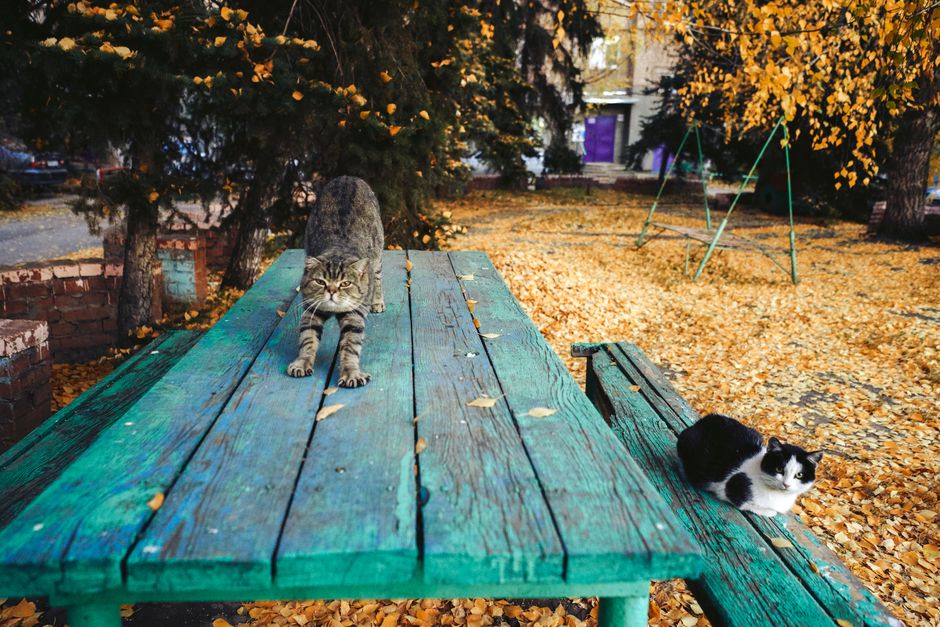
When the leaves start falling and temperatures dip, pets often show subtle signs that they’re feeling the chill or discomfort of damp conditions. Dogs may hesitate to go outside for walks, linger at the door, or shiver after getting wet. Cats commonly seek out warm hiding spots, spend more time curled up, or may even avoid their usual window perches. Watch for changes in energy levels, such as a normally active dog becoming sluggish or a playful cat acting withdrawn. You might also notice increased licking or chewing at paws, which can signal skin irritation from wet grass or cold pavement. Other signs include sneezing, a runny nose, or coughing, especially if your pet gets caught in the rain. If your dog or cat starts limping or seems stiff after a walk, cooler temperatures may be causing joint discomfort, particularly in senior pets. Noticing these changes early can help you take action before minor discomfort turns into bigger health concerns as the season progresses.
Why Dogs and Cats Are Sensitive to Cold and Damp
Several factors make our pets more vulnerable to the effects of autumn’s cold, rainy weather. Unlike people, dogs and cats don’t always have the luxury of putting on extra layers, and some breeds are particularly susceptible to temperature changes. Short-haired dogs, small breeds, and older pets generally feel the cold sooner than their larger or longer-coated counterparts. Cats, especially those that spend time outdoors, can lose body heat quickly when their fur is wet. Wet environments also increase the risk of skin infections, as moisture trapped against the skin can encourage bacteria or yeast to grow. Additionally, chilly temperatures can worsen arthritis or joint pain in aging pets, making them less eager to move. The transition from a warm summer to unpredictable fall weather can also affect your pet’s immune system, leaving them more prone to respiratory infections or seasonal allergies. Paws are another area of concern, as constant exposure to mud, salt, or damp conditions can lead to cracked pads or irritation. Understanding these risks allows you to make small changes at home that have a big impact on your pet’s comfort and health.
Professional Veterinary Support for Fall Health Challenges
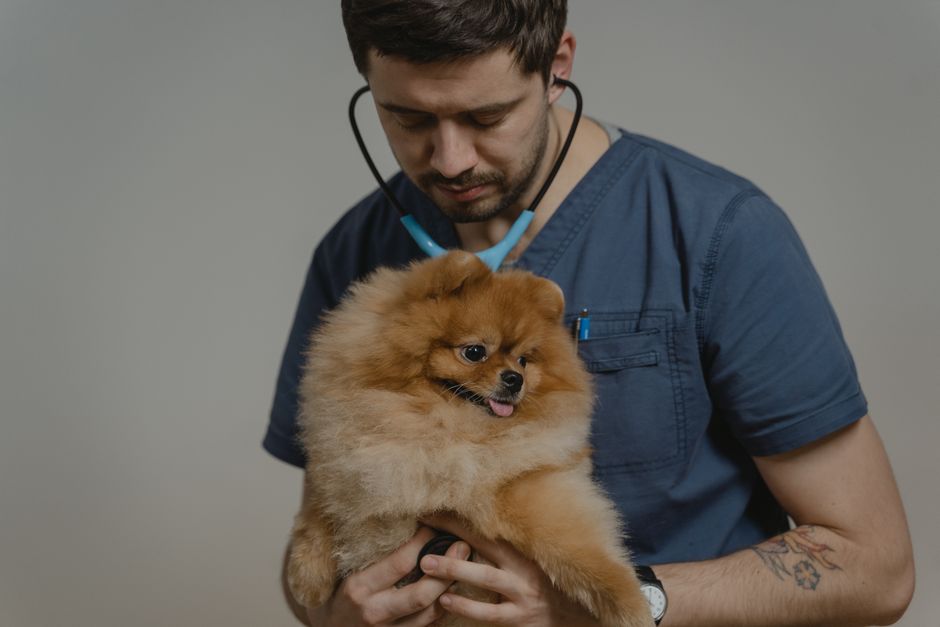
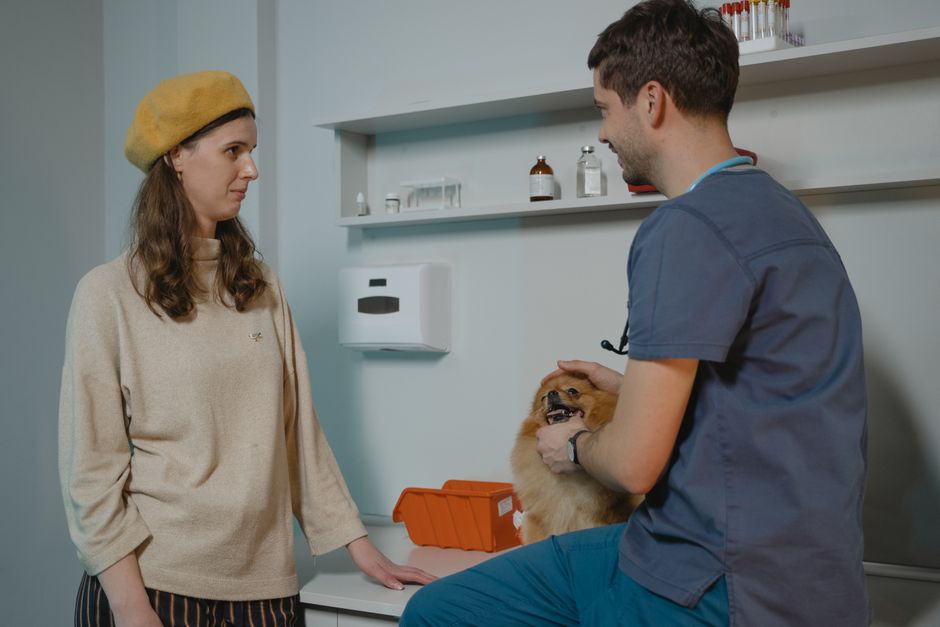
While many autumn concerns can be addressed at home, some situations call for professional veterinary care. Regular wellness examinations are an essential part of keeping your pet healthy year-round, but they’re especially valuable as the seasons change. During a fall checkup at Lakeland Animal Clinic, our veterinarians will assess your pet’s overall health, discuss any seasonal changes you’ve noticed, and recommend preventive measures tailored to your pet’s lifestyle. For example, we can help you manage chronic conditions like arthritis with updated pain management plans or suggest supplements that support joint health as temperatures drop. Our team also provides thorough skin and coat evaluations, looking for early signs of infection or irritation caused by wet weather. If your pet’s coat has become matted or dirty from muddy walks, our professional pet grooming services are available to keep fur clean, reduce shedding, and help minimize skin problems. For pets with signs of respiratory illness or persistent coughing, our diagnostic services, including digital radiology and lab testing, allow us to quickly identify and treat underlying issues. By partnering with our veterinary team, you can address weather-related health risks before they become serious problems.
How Our Veterinary Team Supports Your Pet This Fall
Our veterinarians and support staff are passionate about providing comprehensive care that considers your pet’s unique needs. Whether you’re concerned about a recent decline in activity, changes in appetite, or increased shedding, we’re here to evaluate your pet’s health from nose to tail. If you have questions about vaccines that protect against fall and winter illnesses, our team will guide you through recommended vaccination services and help you stay on schedule. We also offer dietary advice for pets that may need extra calories or joint-supporting nutrients during colder months. Above all, we’re committed to building a lasting relationship with you and your pet, so you always have a trusted resource when new health challenges arise.
At-Home Tips to Keep Your Pet Warm, Dry, and Safe
Creating a comfortable, weatherproof routine for your pet doesn’t have to be complicated. Start by making sure your dog or cat has a warm, cozy spot indoors, away from drafts or damp entryways. Consider adding an extra blanket to their bed or moving it to a sunnier location. For dogs, keep walks shorter during heavy rain or bitter cold, and dry their fur and paws thoroughly when you return home. Using a pet-safe paw balm can help protect sensitive pads from cracking or irritation. For cats, especially those who enjoy time outdoors, limit their time outside on particularly cold or wet days and encourage indoor play to keep them active. Regular brushing helps remove loose fur and prevents mats, which can trap moisture and chill your pet. If your dog or cat is prone to skin problems, scheduling a grooming appointment can help maintain a healthy coat and reduce the risk of infection. Keep an eye on your pet’s appetite and water intake, as some animals may drink less when it’s cold, increasing the risk of dehydration. Nutritious, seasonally appropriate food supports your pet’s energy needs and helps maintain a thick, protective coat. Lastly, always keep your pet’s identification tags and microchip information up to date, since pets startled by storms or loud winds are more likely to slip outside unexpectedly.
Additional Home Safety Measures
Other helpful strategies for fall include wiping your pet’s paws after walks to remove mud, leaves, or road salt, which can be irritating if licked. Watch for puddles or standing water, as these can harbor bacteria or parasites that may make your pet sick. Check your home for possible hazards such as space heaters, which can cause burns, or antifreeze leaks in garages, since even small amounts of antifreeze are toxic to pets. If you use rodenticides in the fall, ensure they are placed safely out of reach of all animals. By taking these precautions, you can create a safe, welcoming environment that lets your pet enjoy the cozy side of autumn.
When It’s Time to Visit the Veterinarian
While many pets adjust well to seasonal changes, certain signs mean it’s time to schedule a visit at Lakeland Animal Clinic. Persistent coughing, sneezing, or nasal discharge may indicate a respiratory infection that needs prompt attention. If your pet develops red, inflamed, or oozing skin, especially between the toes or on the belly, a professional exam is essential for proper diagnosis and treatment. Stiffness, limping, or reluctance to move may signal worsening arthritis or injury, particularly in older pets. Lethargy, loss of appetite, or sudden behavioral changes should never be ignored, as these can be signs of more serious underlying issues. If your pet has been exposed to extremely cold conditions, is shivering continuously, or has pale gums, seek veterinary care right away. The team at Lakeland Animal Clinic offers same-day visits and comprehensive evaluations to address these concerns quickly and compassionately. For emergencies that can’t wait, our urgent care services ensure your pet receives immediate attention when needed, even outside regular hours.
Supporting Your Pet All Season Long
Preparing your pet for cold, rainy fall weather is about more than just comfort; it’s about protecting their health and ensuring they thrive through every season. By watching for early signs of discomfort, understanding why autumn brings new challenges, and taking simple steps at home, you’re already making a big difference in your pet’s wellbeing. Our veterinary team at Lakeland Animal Clinic is here to support you with preventive care, professional grooming, and personalized advice tailored to your pet’s needs. If you’re searching for a veterinarian near me who truly cares about your pet’s health, we invite you to experience the difference at our welcoming Euclid location. Schedule your fall wellness examination, book a grooming appointment, or reach out to our veterinary professionals with any questions. For emergencies or urgent concerns, don’t hesitate to call (216) 731-5536. Let’s work together to keep your pet warm, healthy, and safe—no matter how unpredictable autumn may be.
This article is for informational purposes only and does not replace professional veterinary care. If you have concerns about your pet’s health during fall or any season, please consult your veterinarian for personalized guidance.