Managing Pet Allergies in Early Spring: Tips for Euclid Owners


Managing Pet Allergies in Early Spring: Tips for Euclid Owners
As the first hints of spring arrive in Euclid, many local pets are eager to spend more time outside with their families. Warmer weather and blooming plants can bring joy, but they may also introduce a less-welcome visitor: seasonal allergies. If you notice your dog or cat scratching more than usual, sneezing, or experiencing watery eyes this March, you are not alone. Pet allergies become increasingly common as pollen counts rise, and these symptoms can impact your pet’s daily comfort and happiness.
At Lakeland Animal Clinic, located at 20690 Lakeland Blvd, Euclid, OH 44119, our veterinary team understands how frustrating it can be to see your pet struggle with itchy skin, ear infections, or respiratory discomfort. This guide will help you recognize the signs of springtime pet allergies, understand why they happen, and learn how to manage and prevent them. Whether you are seeking practical home care advice or considering a wellness examination for your furry friend, we’re here to support your pet’s health throughout allergy season and beyond.
Recognizing the Signs of Spring Allergies in Pets
As spring unfolds in Euclid and surrounding communities, pet owners often notice changes in their pets’ behavior and comfort levels. Allergic reactions may look different in dogs and cats compared to people, so it is important to know what to watch for. Common symptoms include persistent itching, which can lead to excessive scratching, licking, or chewing at the skin. You might also observe redness and inflammation, especially around the ears, paws, or belly. Some pets develop rashes or hair loss in affected areas.
Other warning signs are frequent sneezing, coughing, or watery eyes. For some dogs and cats, allergies can trigger chronic ear infections, so be alert for head shaking, ear scratching, or an unusual odor from the ears. Respiratory discomfort, such as nasal discharge or noisy breathing, is another possible indicator. In severe cases, you might notice open sores from intense scratching or signs of discomfort like restlessness and decreased interest in play.
If your pet displays one or more of these symptoms, it could be a sign that environmental allergens such as pollen, mold, or dust mites are causing a reaction. Because many skin and respiratory conditions can mimic allergies, a professional assessment is essential for an accurate diagnosis and effective relief.
Understanding the Causes of Spring Allergies
Allergies in pets occur when their immune system reacts abnormally to substances that are usually harmless. In early spring, the most common culprits are tree and grass pollens, which fill the air as local plants begin to bloom. Pets can also be sensitive to indoor allergens like dust mites or mold spores, which may become more prevalent as homes are opened up for fresh air.
Some breeds are more prone to allergies than others, and both genetics and environment play a role. For example, dogs with short coats or those with a history of skin sensitivities may be more likely to experience allergic reactions. Cats that spend time outdoors or in areas with high pollen counts can also develop symptoms.
It is important to note that allergies can develop at any age; even pets that have never shown signs of sensitivity before may suddenly react during a particularly intense pollen season. Additionally, repeated exposure to allergens over time can make symptoms more severe or frequent, so early intervention is key.
How Our Veterinary Team Diagnoses and Manages Pet Allergies
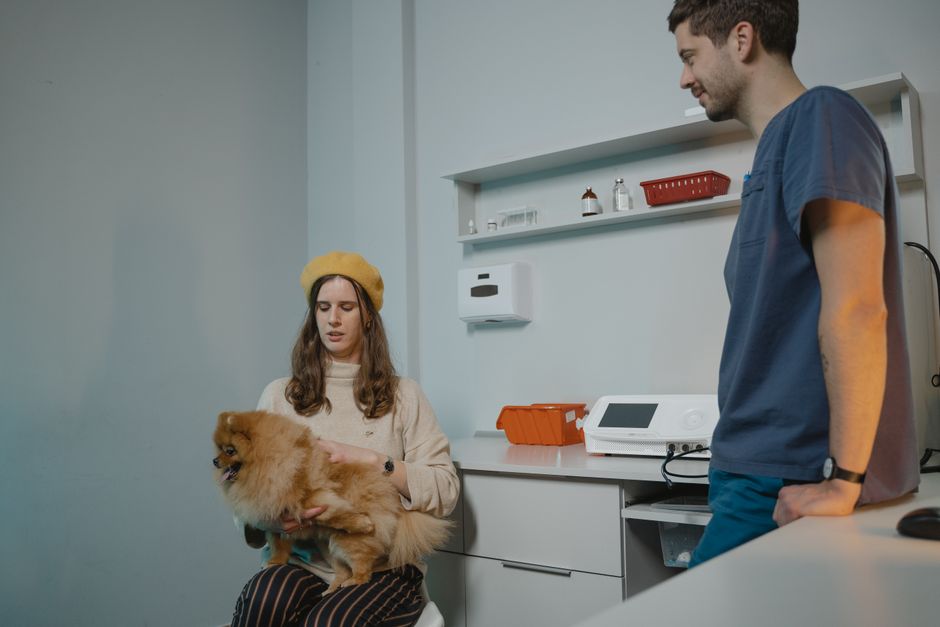
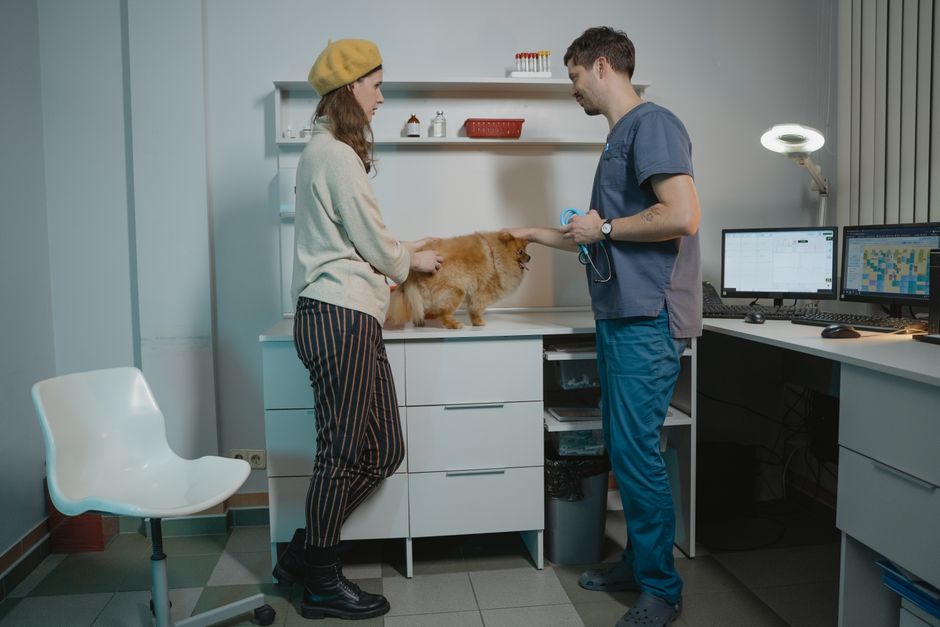
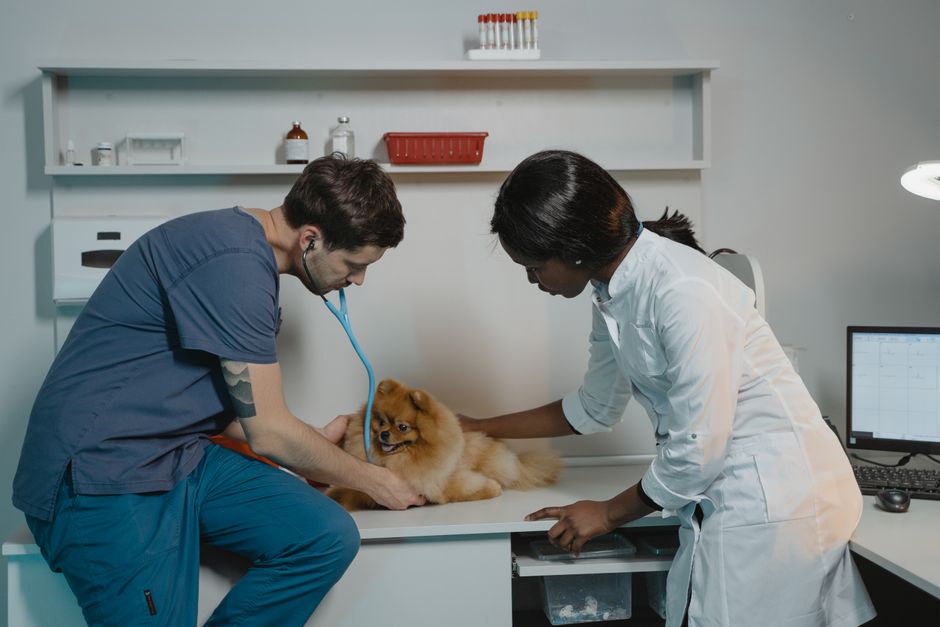
At Lakeland Animal Clinic, we take a comprehensive and compassionate approach to diagnosing and managing pet allergies. When you schedule an appointment for your pet, our veterinarians will begin with a thorough discussion of your pet’s symptoms, lifestyle, and history. A wellness examination allows us to assess your pet’s overall health and identify any underlying conditions that could be contributing to their discomfort.
If allergies are suspected, we may recommend specialized allergy testing to pinpoint the specific triggers affecting your pet. This process might involve skin or blood tests, which help us determine whether pollen, dust, food, or another allergen is to blame. In some cases, our diagnostic laboratory services can rule out infections or other medical issues that can mimic allergy symptoms.
Treatment options for pet allergies involve a combination of strategies tailored to your pet’s unique needs. These may include prescription medications to reduce itching and inflammation, medicated shampoos or topical treatments to soothe irritated skin, and dietary changes if food allergies are suspected. Some pets benefit from allergy desensitization therapy, which gradually exposes them to small amounts of the allergen to build tolerance over time.
Our veterinary professionals will work closely with you to develop a long-term management plan. This may involve regular check-ups to monitor your pet’s progress, adjustments to medication as needed, and ongoing support for any questions or concerns that arise throughout allergy season.
At-Home Care and Prevention Tips for Spring Allergies
While professional veterinary care is essential for diagnosing and treating allergies, there are several steps you can take at home to help minimize your pet’s discomfort during the spring months. Wiping your pet’s paws and coat with a damp cloth after outdoor walks can help remove pollen before it is tracked inside. Regular bathing with a gentle, veterinarian-recommended shampoo can also reduce allergen exposure and soothe irritated skin.
Vacuuming and dusting your home frequently helps control indoor allergens like dust mites and mold. Washing your pet’s bedding in hot water every week is another effective way to cut down on potential triggers. If possible, keep windows closed during high pollen days to prevent allergens from entering your home.
Monitoring your pet for early signs of discomfort allows you to act quickly if symptoms begin to worsen. Additionally, maintaining a consistent flea and tick prevention routine is important, since these parasites can worsen skin irritation and allergic reactions.
It is helpful to keep a record of your pet’s symptoms, noting when they appear and any changes in their environment. This information can assist your veterinarian in identifying patterns and triggers, leading to a more effective treatment plan.
When to Seek Veterinary Care for Your Pet’s Allergies
While mild allergy symptoms can sometimes be managed at home, it is crucial to seek veterinary care if your pet’s discomfort persists or worsens. Warning signs that require prompt attention include open sores, bleeding, severe hair loss, or signs of infection such as swelling, heat, or foul odor. If your pet is experiencing difficulty breathing, lethargy, or a sudden decline in appetite, contact a veterinarian immediately, as these could indicate a more serious health issue.
Chronic or recurring symptoms, such as ongoing ear infections or constant scratching, also warrant professional evaluation. Our team of veterinarians at Lakeland Animal Clinic is experienced in identifying and managing allergies, ensuring your pet receives the personalized care they need.
For pets with complex or persistent symptoms, advanced diagnostics or long-term management may be necessary. We are equipped to provide ongoing support, helping your pet remain comfortable and healthy as the seasons change.
Helping Your Pet Thrive This Spring
Springtime in Euclid brings new adventures for pets and their families, but allergies can cast a shadow over the season’s joys. By staying alert to the signs of discomfort and taking proactive steps at home, you can help your pet enjoy the outdoors safely. Remember, early intervention and regular check-ups are the best ways to prevent minor symptoms from becoming major problems.
If you suspect your pet is struggling with allergies or you are searching for a "vet near me" to provide compassionate, comprehensive care, Lakeland Animal Clinic is here to help. Schedule an appointment with our veterinary team for a wellness examination, allergy testing, or to discuss your concerns. We are dedicated to supporting your pet’s comfort and well-being throughout all seasons.
To get started, call us at (216) 731-5536 or visit our Euclid location. For more information on our services, explore our website at lakeland-animal-clinic.com. Your pet’s health and happiness are our top priorities, and we look forward to partnering with you for a comfortable, allergy-free spring.
Disclaimer: The information provided in this blog is intended for educational purposes only and should not replace professional veterinary advice. Always consult a veterinarian for concerns about your pet’s health or before making changes to their care routine.