When To Seek an Emergency Vet Near You in Euclid


When To Seek an Emergency Vet Near You in Euclid
When your dog or cat suddenly seems “off,” it’s natural to feel worried and want answers right away. Pet emergencies can happen at any time, from unexpected injuries to sudden illnesses, and knowing when to seek immediate help can save your pet’s life. At Lakeland Animal Clinic, our team understands how stressful these moments can be for families in Euclid and the surrounding communities. That’s why we offer prompt, compassionate care at our full-service veterinary clinic at 20690 Lakeland Blvd, Euclid, OH 44119. If you’re searching for an emergency vet near me this winter, understanding the signs of a true emergency and knowing what to do next can make all the difference. In this blog, we’ll guide you through the most common pet emergencies, how to recognize urgent symptoms, what steps you should take before arriving at the clinic, and how our veterinary professionals are committed to supporting you every step of the way.
Recognizing Pet Emergencies: When Every Minute Counts
No pet owner wants to imagine their furry companion in distress, but quick action is often critical. Recognizing the signs of a pet emergency early can help prevent lasting damage or even save your pet’s life. Key symptoms that require immediate veterinary attention include difficulty breathing, severe bleeding that doesn’t stop within a few minutes, sudden collapse or inability to stand, repeated vomiting or diarrhea (especially when blood is present), and seizures or loss of consciousness. Other warning signs are extreme lethargy, pale gums, bloated or painful abdomen, and sudden changes in behavior such as unresponsiveness or confusion.
For example, if your dog suddenly starts panting heavily even in cool weather, or your cat hides and refuses food for several hours, these can be early indicators of a serious problem. Winters in Euclid can bring additional pet health challenges such as antifreeze poisoning or exposure to cold temperatures, which may present as shivering, stumbling, or disorientation. If you notice any of these symptoms, do not wait to see if they resolve on their own; prompt evaluation by a veterinary team is essential.
If you are ever unsure whether your pet’s symptoms warrant urgent care, our Pet Health Checker tool can help you assess the situation and decide when to seek help. However, when in doubt, it’s always best to contact our clinic or head in for a professional assessment.
What Causes Pet Emergencies? Understanding the Risks
Pet emergencies can stem from a wide range of causes, many of which happen without warning. Traumatic injuries such as being hit by a car, falling from a height, or wounds from animal fights often lead to immediate health crises. Ingestion of toxic substances is also a common emergency, particularly in winter months when pets may encounter antifreeze, rat bait, or holiday decorations. Additionally, underlying chronic illnesses like diabetes or heart disease can sometimes flare up suddenly, causing acute symptoms.
Seasonal hazards in Euclid, such as icy sidewalks and holiday foods, can increase the risk of accidents or poisonings. Cold temperatures may exacerbate respiratory conditions in older pets or those with underlying health issues. It’s important to remember that some emergencies, like urinary blockages in male cats or bloat in large dog breeds, may develop rapidly without any clear external cause.
Understanding your pet’s individual risk factors—including age, breed, existing medical conditions, and lifestyle—can help you stay vigilant. Always keep dangerous substances out of reach, supervise pets during outdoor activities, and monitor changes in their usual routines. Regular wellness visits with our veterinary professionals also provide an opportunity to catch potential issues before they become critical.
How Our Veterinary Team Treats Pet Emergencies
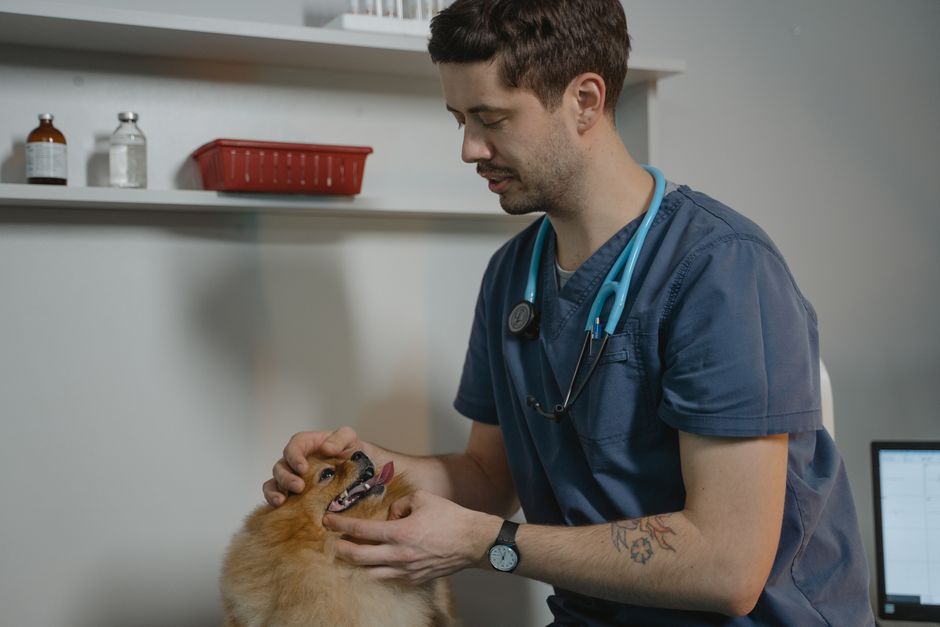
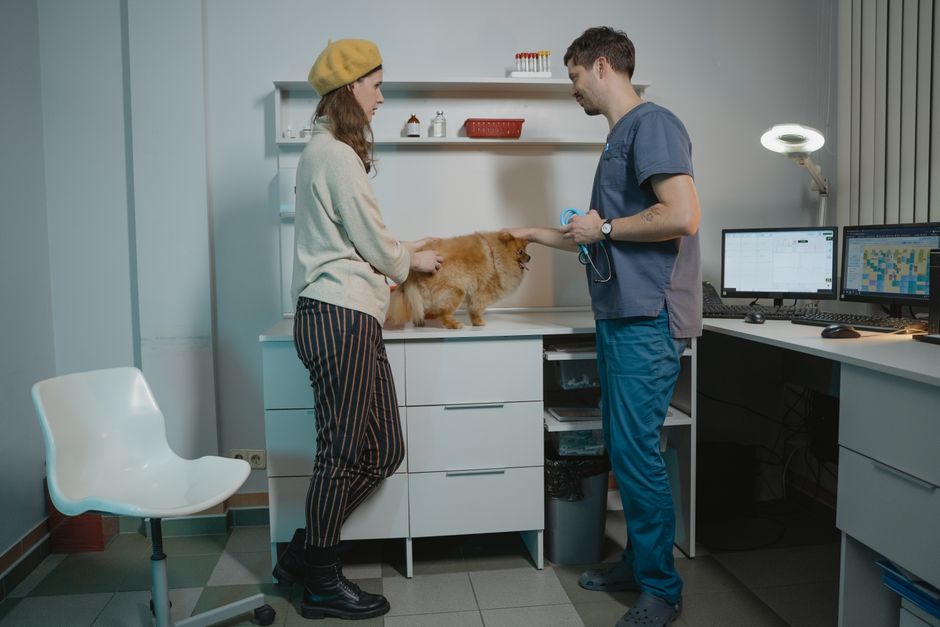
When you arrive at Lakeland Animal Clinic with a pet emergency, our veterinarians act quickly to assess and stabilize your companion. The first steps often involve a thorough physical examination, checking vital signs, and addressing any life-threatening problems such as severe bleeding or difficulty breathing. Depending on the situation, our team may administer oxygen, start intravenous fluids, provide pain relief, or perform emergency surgery.
Diagnostic tools such as digital radiology, ultrasound, and in-house laboratory testing allow us to identify the underlying cause efficiently. For example, if your pet is experiencing repeated vomiting, we may use imaging to rule out a foreign object or obstruction. If trauma is involved, we monitor for internal injuries and shock. In the case of poisoning, immediate treatments such as inducing vomiting, administering activated charcoal, or delivering specific antidotes can make a crucial difference.
Our emergency veterinary care also includes ongoing monitoring and supportive care to ensure your pet is as comfortable as possible throughout their stay. Pain management is a priority, and we offer advanced therapies such as laser treatment to reduce inflammation and speed recovery. If your pet requires more intensive support, we provide compassionate follow-up and coordination with specialty referral centers as needed.
Every emergency is unique, and our approach is tailored to your pet’s specific needs. Our veterinary team will keep you informed at every stage, explaining diagnostic findings, treatment options, and what to expect next.
For a detailed overview of our emergency capabilities, please visit our emergency veterinary care page.
What To Do Before You Arrive: Steps for Pet Owners
Acting quickly and calmly during a pet emergency can help your pet get the best possible outcome. If your pet is in distress, try to keep them warm and quiet while transporting them to the clinic. For bleeding wounds, apply gentle pressure with a clean cloth. If your pet is having trouble breathing, avoid placing anything around their neck and minimize handling. For suspected poisonings, bring the packaging or a sample of the ingested substance if possible, as this can help the veterinary professionals determine the best treatment.
It’s also helpful to call ahead at (216) 731-5536 so our team can prepare for your arrival. However, if you’re unable to call, don’t delay—getting your pet to the clinic quickly is the priority. Drive carefully, as your safety is just as important as your pet’s.
If you’re unsure whether the situation is an emergency, err on the side of caution and contact us for guidance. Our compassionate team is here to provide advice and support, whether it’s recommending immediate care, scheduling a same-day visit, or offering reassurance when it’s safe to monitor your pet at home.
Preventing Pet Emergencies and Supporting Your Pet’s Recovery
While not all emergencies can be avoided, there are steps you can take to minimize your pet’s risk. Keeping hazardous substances securely stored, supervising pets during outdoor activities, and maintaining a healthy diet can help reduce the likelihood of poisoning or injury. Providing regular exercise and mental stimulation supports overall wellbeing and helps prevent accidents caused by boredom or anxiety.
Routine wellness examinations and preventive care are essential in catching health problems before they become emergencies. Early detection of issues such as heart disease, dental problems, or metabolic imbalances allows for timely intervention and can help you avoid urgent trips to the vet. Our wellness examination services are designed to support your pet’s long-term health, with tailored recommendations based on their age, breed, and lifestyle.
If your pet has experienced an emergency, follow your veterinarian’s instructions closely during recovery. This may include medication administration, activity restrictions, wound care, or follow-up visits. Our team is always available to answer questions and provide compassionate follow-up to ensure your pet’s smooth return to health.
When to Seek Veterinary Care: Trust Your Instincts
Ultimately, you know your pet better than anyone else. If you sense that something is wrong, trust your instincts and reach out for help. Warning signs that require urgent veterinary attention include persistent vomiting or diarrhea, difficulty breathing, sudden collapse, uncontrolled bleeding, seizures, and inability to urinate or defecate. Behavioral changes such as extreme lethargy, confusion, or unresponsiveness are also red flags.
Remember, even if symptoms seem minor at first, they can escalate quickly. Prompt action can be lifesaving, especially during cold weather months in Euclid when certain risks are higher. If you’re ever in doubt, our veterinary professionals at Lakeland Animal Clinic are always just a phone call away.
Your Emergency Vet Near Me in Euclid: Here When You Need Us Most
Pet emergencies are stressful, but you don’t have to face them alone. At Lakeland Animal Clinic, our compassionate team is committed to providing the highest standard of emergency veterinary care for pets in Euclid and surrounding communities. If you ever find yourself searching for an emergency vet near me, know that our experienced veterinarians are here to help, offering same-day visits, advanced diagnostics, and personalized follow-up care.
If your pet is experiencing any warning signs or you simply have concerns about their health, don’t wait—schedule an appointment by calling (216) 731-5536. For more information on our emergency services, visit our emergency veterinary care page. Your pet’s safety and comfort are always our top priorities, and we’re honored to be your trusted partner in keeping them healthy and happy all year long.
Disclaimer: This blog is intended for informational purposes only and should not replace professional veterinary advice. Always consult with your veterinarian or seek immediate care if you believe your pet is experiencing a medical emergency.