Winter Pet Care Tips for Euclid: Keeping Dogs and Cats Comfortable


Winter Pet Care Tips for Euclid: Keeping Dogs and Cats Comfortable
When winter arrives in Euclid, the chilly winds, snow, and icy sidewalks create challenges not just for people, but for our pets as well. If you are a local pet owner, you may wonder how to keep your dog or cat happy, healthy, and safe when temperatures drop. At Lakeland Animal Clinic, located at 20690 Lakeland Blvd, Euclid, OH 44119, our veterinary professionals understand the unique needs of pets facing Ohio’s winter weather. This article will guide you through essential winter pet care tips for Euclid families. You will learn how to spot signs of cold-related discomfort, the risks pets face during snowy months, ways to keep your furry friend active indoors, and how regular veterinary care can help prevent seasonal health issues. Whether you are looking for cold weather dog and cat care in Euclid or searching for a vet near me who truly cares, our clinic is here to support you with compassionate, comprehensive services.
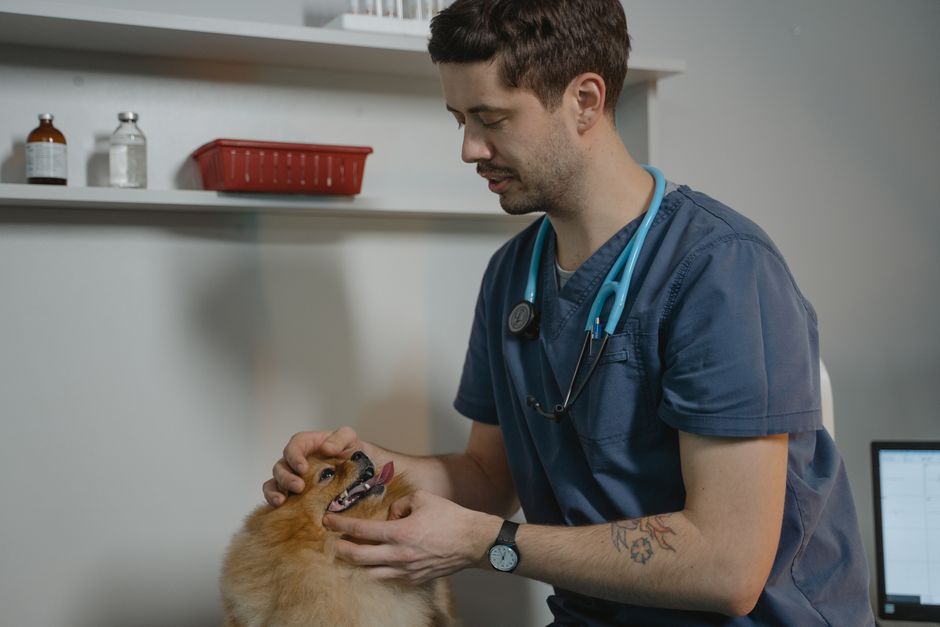
If you are concerned about your pet’s health this season or want to start with a thorough wellness check, our team offers comprehensive pet exams to ensure your companion is ready for winter. Let’s explore what every local pet owner should know to help dogs and cats thrive during the cold months.
Recognizing Winter Discomfort: Signs Your Pet May Be Too Cold
The first step in effective cold weather dog and cat care is understanding when your pet may be uncomfortable or at risk. Pets often communicate distress through subtle changes, and winter brings unique warning signs. Key symptoms of cold-related discomfort include shivering, reluctance to go outside, seeking shelter or warmth, and lifting paws off cold surfaces. You might also notice dry or cracked paw pads, fur that feels brittle, or a general decrease in activity. For cats, hiding more than usual, vocalizing, or consistently seeking out heat sources can indicate they are feeling chilly.
Other signs that can signal trouble range from persistent licking of extremities, which may suggest irritation from ice melt chemicals, to sudden lethargy or disorientation, which can be signs of hypothermia. If your pet seems anxious, refuses to walk, or develops a cough after being outdoors, these may be red flags that winter weather is affecting their well-being. Recognizing these symptoms early allows you to act quickly, keeping your dog or cat safe and comfortable until the weather improves.
Why Winter is Challenging for Pets in Euclid
Understanding the causes behind winter risks helps pet owners make informed choices. In Euclid and surrounding communities, winter brings freezing temperatures, icy sidewalks, and frequent snowfall. These conditions can put both dogs and cats at risk for frostbite, hypothermia, and injuries from slipping on ice. Short-haired breeds, puppies, kittens, senior pets, and animals with chronic health conditions are especially vulnerable to the cold.
For dogs, daily walks become more hazardous as salt and ice-melting chemicals can irritate paws or be licked off and ingested, leading to stomach upset or more serious health concerns. Indoor cats may also be at risk if they seek out unsafe heat sources or if drafts create cold spots in the home. Beyond temperature, winter often means reduced exercise and stimulation, which can lead to boredom, weight gain, or behavioral problems. Even indoor pets feel the effects as shorter days and less sunlight can impact mood and energy levels.
Environmental hazards, such as antifreeze spills in driveways, holiday decorations, and increased time spent indoors with heaters, introduce additional risks. For these reasons, winter pet care tips in Euclid must balance outdoor safety with indoor comfort, addressing both physical and mental health needs.
Keeping Pets Healthy: Professional Veterinary Support in Winter
One of the most effective steps in cold weather dog and cat care is partnering with your local veterinary team for preventive support. At Lakeland Animal Clinic, our comprehensive approach includes wellness exams that assess your pet’s ability to handle seasonal changes. During these exams, our veterinarians check for underlying conditions, monitor joint health, and recommend adjustments to diet or exercise routines that suit winter’s demands.
For pets with arthritis or mobility issues, our pain management options can help keep them comfortable when cold weather aggravates joint stiffness. We also offer guidance on safely managing medications, supplements, and therapies, ensuring your pet’s treatment plan is tailored to the season. If your pet is showing signs of allergy from indoor heating or outdoor irritants, our allergy testing services can identify triggers and help you find relief for your companion.
Senior pets often need extra attention during winter. Our specialized senior pet care services in Euclid focus on slowing the progression of age-related conditions, promoting comfort, and supporting quality of life during colder months. For owners who need to travel or have pets with medical needs, our medical boarding options provide a safe, warm environment where pets are monitored by veterinary professionals.
Throughout winter, our team is here to answer questions, provide guidance on diet and enrichment, and respond quickly if your pet develops any signs of illness or discomfort. Scheduling a checkup before or during the cold season is an excellent way to ensure your pet is prepared for whatever the weather brings.
Winter Pet Care Tips for Home: Keeping Dogs and Cats Comfortable
There are many practical steps you can take at home to help your pets navigate winter safely and happily. Creating a warm, draft-free sleeping area is essential; make sure your dog or cat has a bed away from doors, windows, or cold tile floors. Using pet-safe heated beds or blankets can be helpful, especially for seniors or small breeds. Limiting time outdoors is important on very cold days, and always supervise outdoor activities to prevent overexposure.
For dogs, using booties or paw wax protects against salt and ice, while wiping paws after walks removes any lingering chemicals or moisture. Shorter, more frequent walks keep dogs active without prolonged exposure to the cold. Indoor enrichment becomes especially valuable in winter; try rotating toys, teaching new tricks, or creating obstacle courses to keep your pet’s mind and body engaged. For cats, window perches, interactive toys, and food puzzles provide stimulation and satisfy natural hunting instincts.
Maintaining a stable routine also helps pets adjust to changes in daylight and activity levels. Ensuring your pet is drinking enough water and adjusting their diet if their activity decreases can prevent unwanted weight gain. If you notice that your pet is becoming restless, vocalizing more, or displaying signs of stress, introducing additional playtime or gentle grooming may provide comfort.
Monitoring your environment is equally important. Keep antifreeze, salt, and other chemicals out of reach, and avoid using space heaters or fireplaces unsupervised. If you are concerned about the safety of pet products, you can stay updated on recalls by visiting the AVMA pet recall alerts page. By taking these steps, you create a safer, happier home environment that promotes well-being throughout the coldest months.
When to Schedule a Veterinary Visit: Recognizing the Need for Professional Help
Even with the best home care, winter can bring unexpected health concerns. It is important to know when to seek veterinary services in Euclid, especially if your pet displays persistent symptoms. Warning signs that require prompt attention include ongoing shivering or lethargy, refusal to eat or drink, vomiting after being outdoors, or any signs of limping, swelling, or painful paws. If your pet has difficulty breathing, develops a persistent cough, or shows signs of confusion, these may indicate more serious reactions to cold exposure or underlying health issues.
For pets with chronic medical conditions, sudden changes in behavior or worsening symptoms warrant a call to your veterinarian near me. Scheduling a wellness examination during winter allows our veterinary team to catch problems early, adjust medications, and recommend supportive therapies. If you are ever unsure whether your pet’s symptoms are serious or if you need guidance on seasonal care, our compassionate team is ready to help.
We also encourage pet owners to consider preventive visits before winter is in full swing. A proactive approach ensures your pet’s vaccinations are current, their joints and paws are in optimal condition, and any dietary or activity adjustments are made with professional insight. Your pet’s comfort and safety are our top priorities, and our veterinary professionals are dedicated to supporting you through every season.
Your Local Partner for Winter Pet Care in Euclid
Winter brings both joys and challenges for pet owners in Euclid and surrounding communities. With the right knowledge and support, you can keep your dog or cat healthy, active, and comfortable all season long. Remember, recognizing early signs of cold-related discomfort, understanding the unique risks of Ohio winters, and partnering with a trusted veterinary team all contribute to your pet’s wellbeing.
If you are looking for a vet near me who truly understands winter pet care tips in Euclid, Lakeland Animal Clinic is here to help. Our team of veterinarians offers everything from wellness exams and senior pet care to allergy testing and pain management, making us your local resource for comprehensive cold weather dog and cat care. We invite you to schedule an appointment or call us at (216) 731-5536 to discuss personalized strategies for your pet.
For more information, directions, or to book your pet’s winter checkup, visit our website or stop by 20690 Lakeland Blvd, Euclid, OH 44119. Your pet’s comfort and safety matter to us year-round, and we look forward to being your partner in providing the highest quality veterinary services near me. If you ever have questions or concerns, please reach out to our caring team for guidance tailored to your companion’s needs.
Disclaimer: This article is for informational purposes only and does not substitute for professional veterinary advice. If your pet is experiencing a medical emergency or you have specific health concerns, please contact your veterinarian immediately.