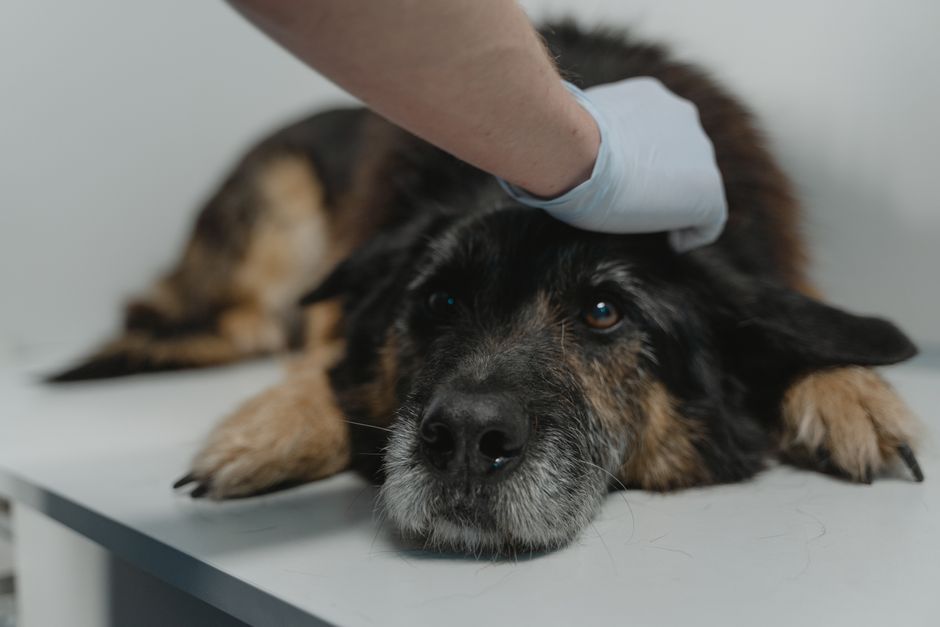
How to Tell If Your Cat Is Sick: Early Signs for Pet Owners

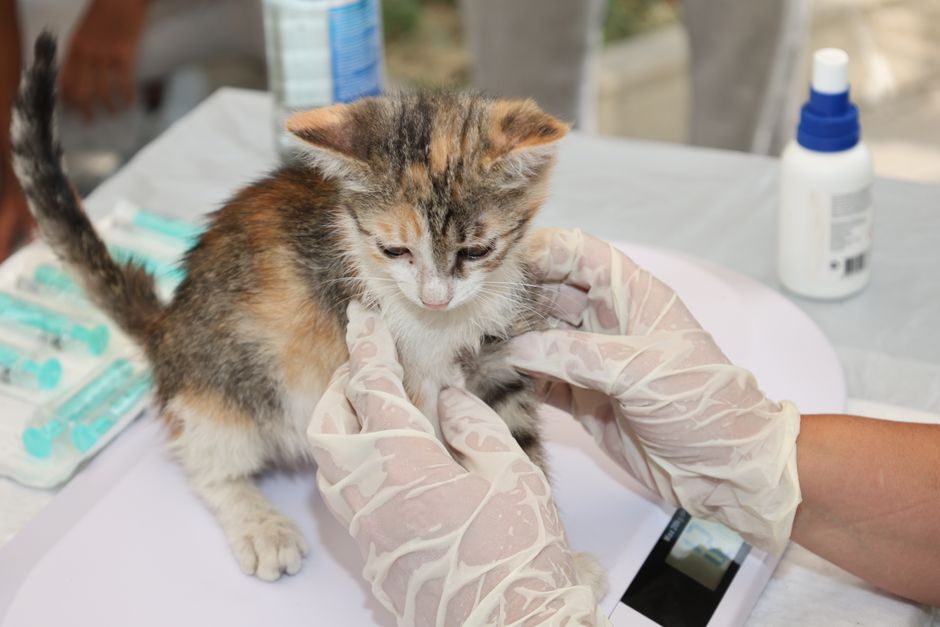
How to Tell If Your Cat Is Sick: Early Signs for Pet Owners
When your cat starts acting differently, it is natural to feel concerned. Cats are known for their independence and subtle ways of hiding illness, so recognizing when your feline companion is sick can be challenging. At Lakeland Animal Clinic, we understand how important it is for cat owners in Euclid and surrounding communities to catch early signs of illness. Your cat’s health and comfort are always our top priorities, especially as cooler fall weather can sometimes bring new risks for indoor and outdoor kitties alike. In this guide, you will learn the most common early signs your cat may be feeling under the weather, how to spot changes in behavior or appearance, and why timely checkups at Lakeland Animal Clinic are so important for protecting your cat’s wellbeing. We will also explore what symptoms should prompt you to schedule a wellness examination or seek urgent care with our veterinary team.
Recognizing Early Signs of Illness in Cats
Cats are masters at masking how they feel, which can make it tough for owners to know when something is wrong. Early signs of illness in cats often appear as subtle changes in routine, energy, or appetite. Symptoms include a decreased interest in food, drinking more or less water than usual, or hiding more frequently around your home. You might also notice your cat grooming less, which can lead to a dull or matted coat. Other signs to watch for are unexplained weight loss, sudden vocalization changes, unusual aggression or clinginess, and changes in litter box habits such as urinating outside the box or straining to use it.
During the fall and winter, cats who spend time outdoors may also show signs of respiratory issues such as sneezing, coughing, or watery eyes. Keep an eye out for mild symptoms like a runny nose or mild lethargy, as these can quickly progress if left unchecked. If your cat refuses food for more than a day, vomits repeatedly, or suddenly seems withdrawn, these are all reasons to consult your veterinarian promptly.
For help evaluating unusual symptoms, our pet health checker can guide you on what may require immediate attention or a prompt appointment.
Understanding Why Cats Hide Sickness
Cats instinctively hide signs of illness as a survival strategy. In the wild, showing weakness can make them vulnerable, and this behavior often continues in the home environment. Because of this, many illnesses progress unnoticed until they become more advanced. Chronic problems like kidney disease, dental issues, or diabetes may develop gradually, with only mild early symptoms. Acute conditions, such as infections or injuries, may trigger sudden changes in behavior or appetite, but even then, many cats will try to act normal.
This natural tendency to mask discomfort highlights the importance of paying attention to even small changes in your cat’s daily habits. Regular observation, especially during seasonal changes or after stressful events, can help you catch illness before it becomes serious. If you ever feel unsure whether your cat’s behavior is normal, erring on the side of caution and contacting your veterinary team is always the best approach.
How Our Veterinary Team Diagnoses Cat Illness
When you bring your cat to Lakeland Animal Clinic, our veterinarians start with a thorough history and physical exam. Key diagnostic steps include carefully examining your cat’s body, listening to the heart and lungs, and checking eyes, ears, mouth, and abdomen for abnormalities. If further investigation is needed, we may recommend laboratory testing such as bloodwork or urinalysis, which can reveal hidden conditions like kidney disease, thyroid problems, or infections.
For more complex symptoms, our veterinary diagnostic laboratory allows us to analyze samples quickly and accurately. Advanced imaging, such as digital X-rays or ultrasound, may be used to detect internal issues, while dental radiographs help us assess oral health problems that are common but often overlooked in cats. In cases where immediate intervention is required—such as persistent vomiting, breathing difficulties, or collapse—our team is equipped to provide emergency care and stabilizing treatment.
At-Home Monitoring and Prevention Tips
There are several steps you can take at home to help keep your cat healthy and catch illness early. Start by providing a consistent routine with regular feeding times and easy access to clean water. Monitor your cat’s litter box daily for changes in urine or stool, as these can be early indicators of kidney or urinary tract issues. Watch for subtle changes in grooming, social interaction, and activity levels. We recommend keeping a simple log of your cat’s weight, appetite, and any concerning symptoms, especially if your feline is a senior or has a history of health problems.
Annual or semiannual wellness exams are crucial for catching hidden problems before they become serious. These exams give our veterinary team a chance to perform a comprehensive checkup, update vaccinations, and discuss any concerns you may have about your cat’s behavior or appetite. For older cats, more frequent visits may be recommended, as age-related conditions can develop rapidly. Our senior pet care services are tailored to the unique needs of aging cats, emphasizing early detection and proactive management.
When to Contact Your Veterinarian
Knowing when to reach out for veterinary help is key to protecting your cat’s health. Immediate attention is needed if your cat is having trouble breathing, cannot urinate, is bleeding, or is experiencing seizures. Signs that require prompt care include persistent vomiting or diarrhea, refusal to eat or drink for more than 24 hours, sudden difficulty walking, or signs of severe pain such as loud crying or aggression when touched.
Less urgent but still important signs include unexplained weight loss, gradual changes in appetite, excessive thirst, bad breath, or chronic sneezing and coughing. If you notice any of these symptoms, scheduling a pet examination with our veterinarians is the best next step. Our team is always here to answer questions and provide guidance over the phone, but in-person evaluation is the only way to get a true understanding of your cat’s health.
Do not hesitate to seek emergency veterinary care if your cat’s condition worsens suddenly or you feel something is seriously wrong. Prompt action can make all the difference in your cat’s recovery and comfort.
Why Early Vet Visits Make All the Difference
Bringing your cat in for a wellness check or diagnostic workup at the first sign of illness offers the best chance for quick recovery and long-term health. Early detection means we can start treatment sooner, which often leads to better outcomes and less invasive therapies. Routine exams also help us build a complete picture of your cat’s normal habits and health, making it easier to spot changes early.
At Lakeland Animal Clinic, our veterinary team is committed to partnering with you throughout every stage of your cat’s life. Whether your cat is a playful kitten, a curious adult, or a cherished senior, we tailor our care to meet their unique needs and your concerns as an owner. Our clinic in Euclid is equipped to handle everything from routine wellness to advanced diagnostics and emergency care, so you can always feel confident your feline is in good hands.
Take Action for Your Cat’s Health Today
Your instincts as a cat owner are powerful—if you sense something is off with your feline companion, do not ignore it. By staying alert for early signs of illness and seeking veterinary care quickly, you can help your cat enjoy a longer, healthier life. If you are searching for a vet near me who truly understands the unique needs of cats and is dedicated to compassionate, comprehensive care, look no further than Lakeland Animal Clinic in Euclid.
To schedule a wellness exam, discuss your concerns, or learn more about our services, call our veterinary team at (216) 731-5536 or visit us at 20690 Lakeland Blvd, Euclid, OH 44119. For additional information on what to watch for or to explore our services, you can check out our resources on pet examinations and wellness exams or our pet health checker tool. Your cat’s health and happiness are always our top priorities, so let us help you keep them feeling their best every season.
This blog is for informational purposes only and does not replace veterinary care. If your cat shows signs of illness, please contact your veterinarian promptly for personalized advice and treatment.