Recognizing Allergies to Pets: Symptoms and Solutions for Families

Recognizing Allergies to Pets: Symptoms and Solutions for Families
Bringing a new dog or cat into your family is a joyful experience, but discovering that someone in your household is struggling with allergies can be stressful and confusing. Allergies to pets symptoms often show up unexpectedly, leaving families in Euclid and surrounding communities wondering how to balance their love for their animals with the health and comfort of everyone at home. At Lakeland Animal Clinic, located at 20690 Lakeland Blvd, Euclid, OH 44119, our veterinary team understands the challenges that come with pet-related allergies. In this guide, we will help you recognize the signs of allergies to pets, explain why these reactions occur, and offer practical solutions so your family can enjoy life with your four-legged companions. We will also share how our team can support you, from expert diagnosis to ongoing care, to help your household breathe easier and stay healthy together.
Understanding Allergies to Pets Symptoms in Your Family and Animals
Recognizing allergies to pets symptoms early can make a significant difference in managing discomfort and maintaining a happy, healthy home. Allergic reactions can affect both people and animals, and knowing what to watch for is the first step toward relief.
Common Signs in People
For people, the most typical allergies to pets symptoms include sneezing, runny or stuffy nose, itchy or watery eyes, and coughing. Some individuals may notice their asthma worsening, or experience skin reactions such as hives or eczema after contact with fur, saliva, or dander. Children are especially sensitive, and may rub their eyes, develop rashes, or have trouble sleeping due to congestion. These symptoms can appear shortly after exposure or develop over time, making it tricky to pinpoint the cause right away.
Recognizing Allergy Symptoms in Pets
While we usually think of people reacting to animals, our pets can also experience allergies, whether triggered by environmental factors or even by certain foods. In dogs and cats, allergies often show up as persistent scratching, licking, or chewing at the skin, frequent ear infections, redness, or hair loss. Some pets may sneeze, have watery eyes, or develop digestive upset. If you notice your dog or cat is constantly scratching, biting at their paws, or seems more uncomfortable during certain seasons, allergies could be to blame.
To help you decide when your pet’s symptoms might need veterinary attention, Lakeland Animal Clinic offers a Pet Health Checker tool online for quick guidance.
What Causes Allergies to Pets?
Understanding why allergies to pets symptoms develop can help you make informed decisions about managing them. Allergies are essentially an overreaction of the immune system to harmless substances, known as allergens. In the case of pet allergies, the main culprits are proteins found in animal dander (tiny skin flakes), saliva, and urine. These allergens can become airborne or settle on furniture, clothing, and bedding, making them difficult to avoid.
Why Do Some People React?
Some individuals have immune systems that are more sensitive to these proteins, resulting in the classic allergy symptoms after exposure to dogs or cats. Even hairless breeds produce dander and can trigger allergies. Factors such as genetics, existing allergies or asthma, and the amount of time spent indoors with pets can increase the risk of developing allergies.
Pets and Environmental Allergies
Pets themselves can suffer from allergies to environmental factors such as pollen, mold, dust mites, and even certain cleaning products. In Northeast Ohio, seasonal changes can lead to higher pollen counts in spring and summer, which may worsen symptoms for both people and animals.
If you suspect your pet may have allergies, our veterinary professionals can help identify the cause through allergy testing and thorough health evaluations.
Managing and Treating Allergies to Pets
Living with allergies to pets does not always mean saying goodbye to your beloved dog or cat. With the right strategies and support from your veterinarian, many families find ways to minimize symptoms and keep both people and pets comfortable.
Solutions for People with Pet Allergies
There are several approaches to managing allergies to pets symptoms in your family. Regular cleaning is one of the most effective methods; vacuuming carpets, washing bedding, and using air purifiers can help reduce allergen levels in your home. Bathing pets as recommended by your veterinarian can also decrease dander. Designating certain rooms—such as bedrooms—as pet-free zones can create safe spaces for allergy sufferers.
Over-the-counter or prescription allergy medications, including antihistamines and nasal sprays, can provide relief. For more severe cases, allergy shots (immunotherapy) may be recommended by a healthcare provider. Collaboration between your family physician and your veterinarian can often yield the best results.
Treating Allergies in Pets
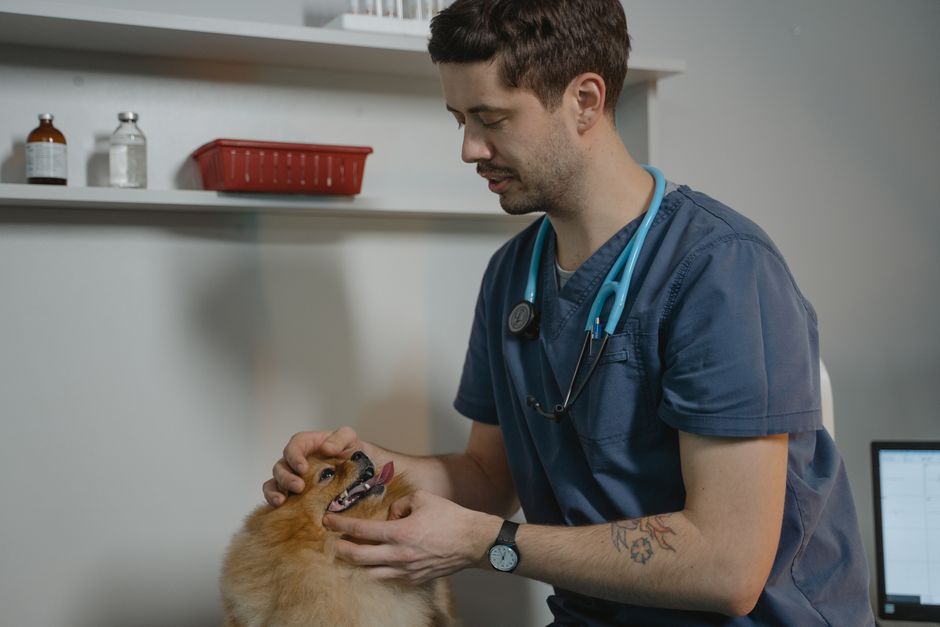
When it comes to your dog or cat’s allergies, our veterinary team at Lakeland Animal Clinic offers a range of solutions tailored to your animal’s specific needs. Treatment begins with identifying the allergen, which may involve diagnostic testing. Management strategies include hypoallergenic diets, medicated shampoos, topical therapies, and oral medications to control itching and inflammation. In some cases, allergy injections or immunotherapy are recommended for long-term relief. We also offer advanced options such as laser therapy for irritated skin.
If your pet is suffering from chronic itching, ear infections, or other persistent symptoms, a comprehensive pet exam is the best way to start the healing process.
Preventing and Minimizing Allergy Symptoms at Home
Taking proactive steps at home can dramatically reduce the impact of allergies to pets symptoms for everyone in your household.
Cleaning and Lifestyle Adjustments
Frequent cleaning is key; use a vacuum cleaner with a HEPA filter, wash pet bedding weekly in hot water, and regularly wipe down surfaces where dander can accumulate. Air purifiers with HEPA filters can help capture airborne allergens. Keeping your dog or cat well-groomed, including regular brushing and bathing with vet-approved products, keeps dander under control and promotes a healthy coat.
It can help to keep pets off furniture and out of bedrooms, especially for family members who are most sensitive. Changing clothes after playing with your pet, and washing hands before touching your face, are simple habits that can make a difference. For families with children, teaching allergy-friendly routines can help keep symptoms manageable.
Supporting Your Pet’s Skin and Immune Health
For dogs and cats with allergies, supporting skin health is essential. Feeding a balanced diet, using recommended flea and tick preventatives, and maintaining a consistent grooming schedule all contribute to your animal’s comfort. If your pet has been prescribed allergy medications or special shampoos, follow the treatment plan closely and keep in touch with your veterinarian about any changes in symptoms.
When to Seek Veterinary Care for Allergies
Knowing when to reach out for professional help is crucial in managing allergies to pets symptoms. For people, if allergy symptoms become severe, persistent, or impact daily living, consult your family doctor or an allergist. When it comes to your dog or cat, contact Lakeland Animal Clinic if you notice ongoing itching, hair loss, frequent ear infections, skin sores, or any sudden changes in behavior or health.
Prompt attention is important if your pet develops swelling of the face or muzzle, difficulty breathing, vomiting, or collapses, as these may be signs of a severe allergic reaction requiring immediate care. Our veterinary team can evaluate your pet, recommend diagnostic tests, and create a tailored treatment plan to address their unique needs.
You can also use our Pet Health Checker tool for guidance on when to schedule an appointment or seek urgent care.
Your Partners in Allergy Relief: Lakeland Animal Clinic in Euclid
Dealing with allergies to pets symptoms can be overwhelming, but you do not have to navigate this alone. At Lakeland Animal Clinic, our veterinarians are committed to helping families in Euclid and surrounding communities enjoy life with their pets, even when allergies are a challenge. We offer thorough allergy testing, individualized treatment plans, and ongoing support to keep both people and animals as comfortable as possible.
If you are searching for a vet near me who understands the complexities of allergies and is dedicated to compassionate, family-focused care, our team is here to help. Schedule an appointment at our Euclid clinic location or call us at (216) 731-5536 to discuss your concerns. You can also read more about pet health topics on our veterinary blog.
With the right strategies, professional guidance, and ongoing support, families and their pets can thrive together. Let Lakeland Animal Clinic be your trusted partner in managing allergies to pets symptoms and ensuring the wellbeing of everyone in your home.